Acoustic Panels: Artful Soundproofing for Modern Homes
A serene home environment depends on more than visual appeal. The acoustics of a space, including the resonance of voices or the hush in quiet moments, shape overall comfort. Acoustic panels have advanced beyond basic utility to blend seamlessly into contemporary interiors. These panels manage sound while adding texture, pattern, and color to walls and ceilings.
The Evolution of Sound Control
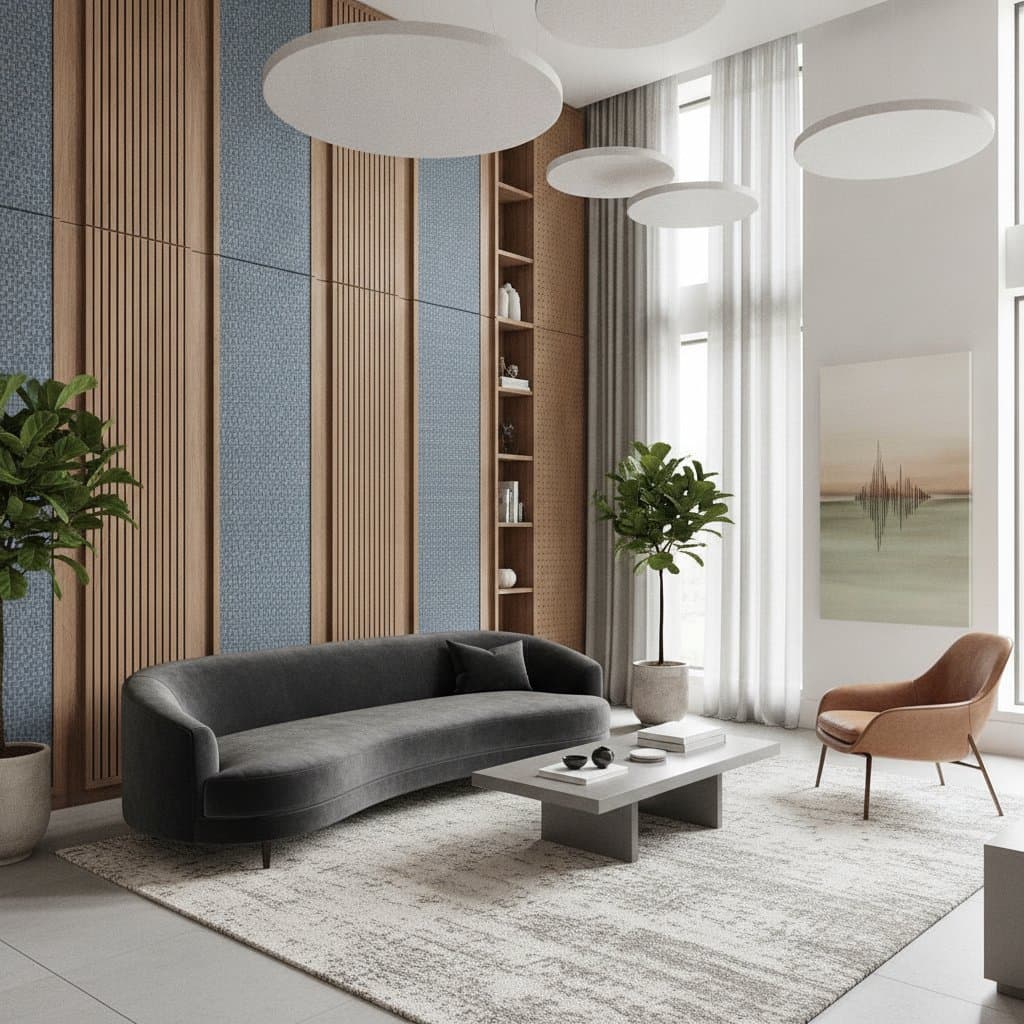
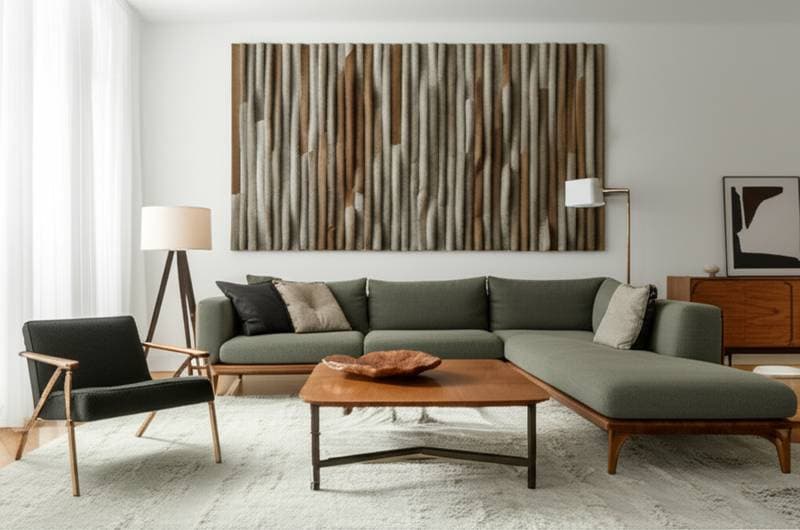
Elements once limited to recording studios now transform residential spaces like living rooms, kitchens, and home offices. Designers treat acoustic panels as prominent features that reduce noise and match room aesthetics. Traditional flat felt panels give way to sculptural baffles, geometric patterns, and fabric-covered designs that mimic artwork.
Interior designer Lena Ortiz notes, “Clients no longer want to choose between quiet and beauty. Acoustic treatments can be both.” This approach allows homeowners to create peaceful settings without sacrificing style.
Principles of Acoustic Performance
Acoustic panels reduce sound reflections from hard surfaces. Core materials such as compressed wool, recycled polyester fibers, or perforated wood absorb sound waves and prevent echoes. The result includes clearer speech, lower ambient noise, and greater room comfort.
Placement matters as much as material choice. Position panels behind seating, above desks, or on ceilings to support better conversations and reduce listening fatigue. In open-plan areas with overlapping activities, these adjustments improve daily usability.
Key Considerations at a Glance
- Primary users: Homeowners and renters seeking less noise and better focus
- Common applications: Living rooms, home offices, dining areas, and bedrooms
- Standard dimensions: From 12-inch (30-centimeter) squares to 4-by-8-foot (1.2-by-2.4-meter) panels
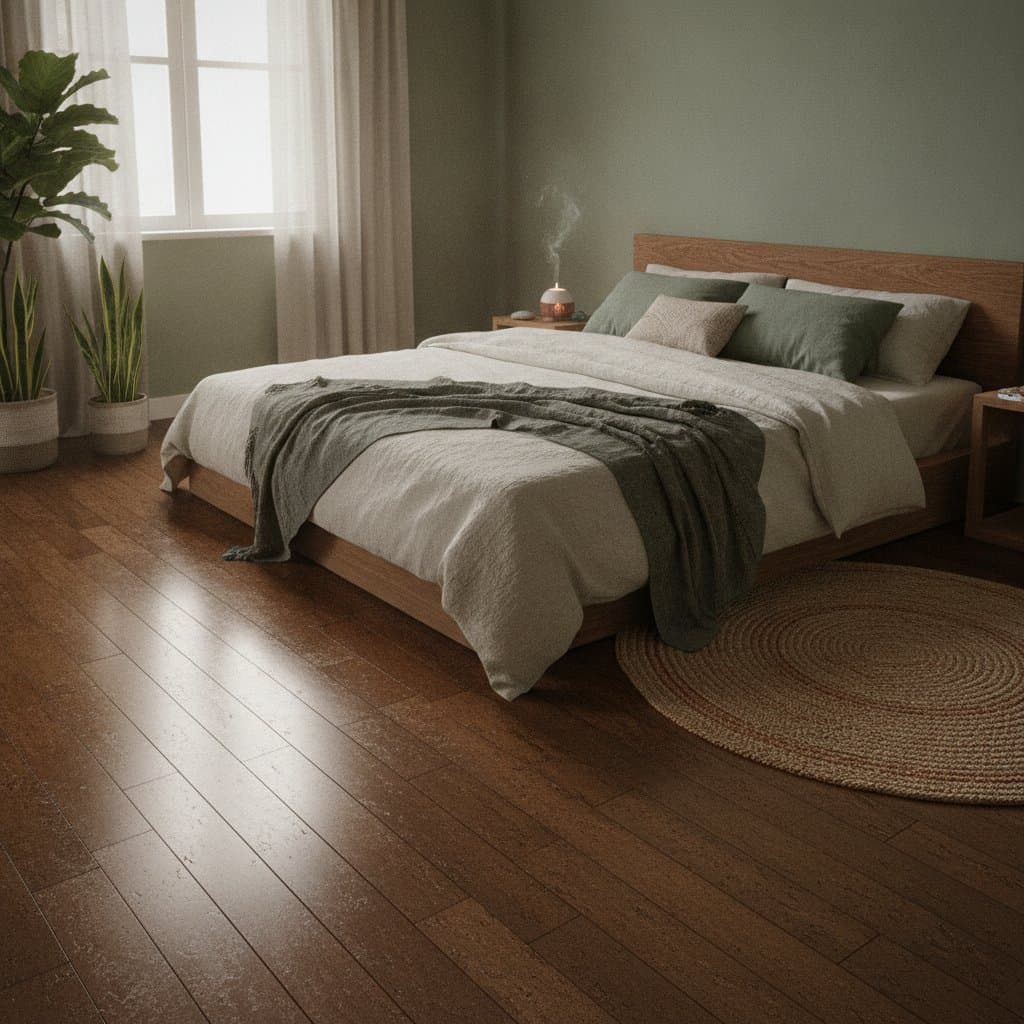
- Prevalent materials: Felt, wool, recycled PET fibers, wood veneers, and cork
- Professional involvement: Architects, interior designers, and acoustic consultants
Challenges in Echo-Prone Interiors
Modern homes often feature open floor plans, high ceilings, and large windows. These elements bring in light but intensify sound problems. Hard surfaces like stone counters and glass walls bounce noises such as voices or clinking dishes throughout the house.
Homeowner Daniel Chu describes his space before renovation as “beautiful but fatiguing. Even the sound of plates from the kitchen filled the whole space.” In homes with remote workers or students, constant background noise disrupts concentration.
Transformations Through Integrated Design
Designers solve these problems by incorporating acoustic panels into the overall look. In Daniel's home, experts installed vertical felt panels in gray gradients along the kitchen-living room divider. Each panel measures 24 by 48 inches (61 by 122 centimeters) and mounts slightly off the wall to create shadow lines for depth. The installation combines style and function. “Once the panels went up, we could talk at normal volume again,” Daniel says.
Lighting amplifies these setups. Linear LED strips cast soft light over the panels, highlighting textures and boosting overall illumination. Sound control paired with lighting creates a cohesive, calming space.
Essential Design Elements
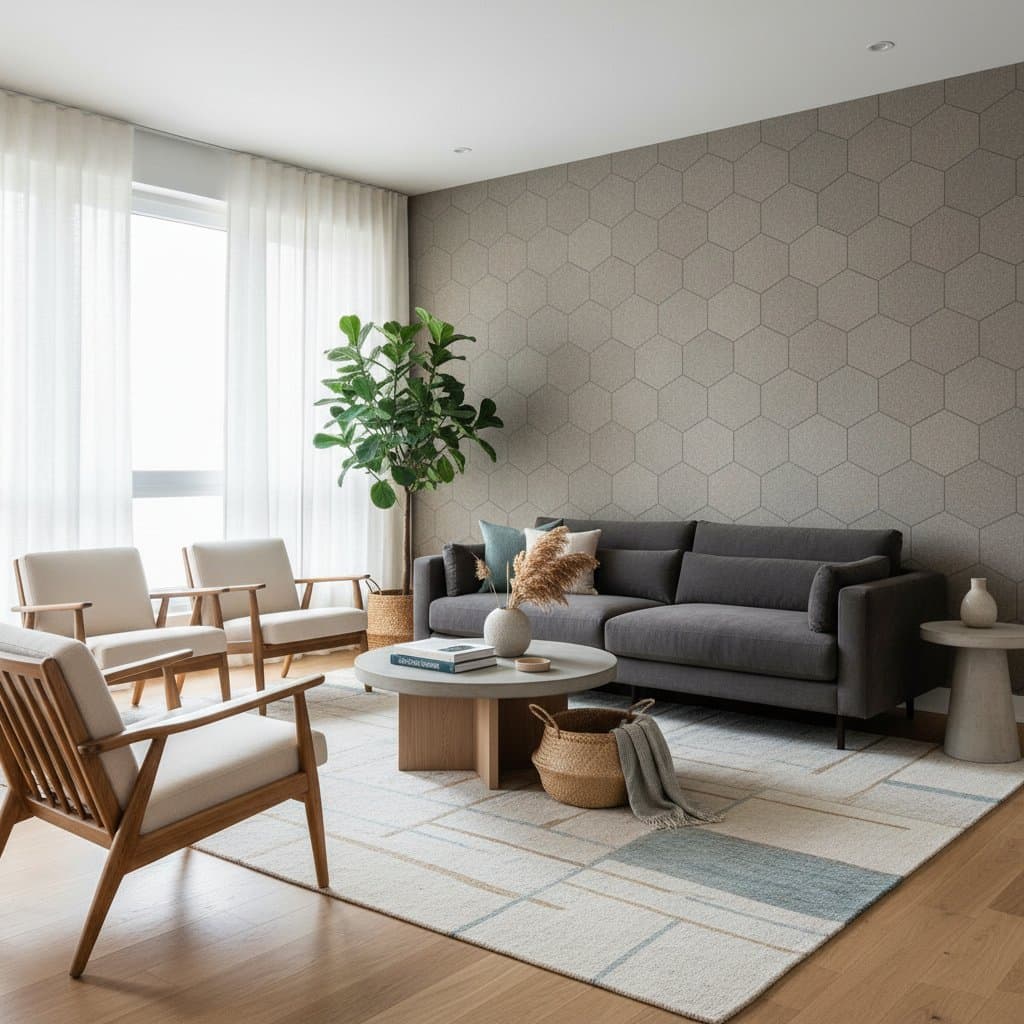
- Surface variations: Ribbed wool felt, slotted wood, or hexagonal patterns add depth and diffuse sound waves
- Color approaches: Neutral shades blend into minimalist designs, while vibrant colors like ochre or indigo make bold statements
- Installation techniques: Mount panels flat against walls, suspend from ceilings, or frame like artwork
- Sustainable options: Choose products from recycled polyester or plant-based materials to lower environmental impact
- Care routines: Dust gently or vacuum; use removable covers in high-traffic areas for easy cleaning
Advantages for Design Professionals
Acoustic panels meet practical needs and boost visual appeal. In city apartments, wall-mounted versions double as message boards or shelves. In larger homes, ceiling absorbers define zones without permanent changes. Architect Priya Desai states, “We use acoustic elements to shape how people experience a room. It’s not just about silence but about clarity.”
These panels also limit sound travel between floors or rooms. Paired with soft furnishings and rugs, they create balanced acoustics that support clear communication and relaxation.
Selecting Optimal Acoustic Solutions
Start by identifying noise sources. Hard floors or bare ceilings require immediate attention. Measure the room and aim to cover about one-third of wall space to control echoes without over-dampening.
Critical choices include:
- Intended function: Decide between general noise reduction or targeted privacy enhancement
- Visual harmony: Pick shapes and textures that suit the architecture; use clean lines for modern spaces and curves for traditional ones
- Adaptability for renters: Select adhesive or clip systems that remove without damage
- Lighting integration: Look for panels with built-in lights to combine effects
Multifunctional Strategies for Active Areas
Home offices and studios benefit from versatile options. Line cabinet doors with felt, add padded bulletin boards, or use wooden slat dividers to absorb sound and store items. In flexible rooms, foldable fabric screens with absorbent cores offer temporary barriers without construction.
Balancing Benefits and Limitations
Acoustic panels improve daily life, but they affect how spaces feel. Large dark panels can make small rooms seem smaller; choose light colors or partial coverage to maintain openness. Prices depend on quality, with high-performance options needing fewer units for the same effect. Maintenance is simple, though fabrics in kitchens or vents may gather dust, so place them strategically.
Enhancing Everyday Comfort
These panels quietly improve routines by softening footsteps, balancing conversations, and sharpening media playback. They support focus and rest without drawing attention, promoting long-term well-being.
Implementing Acoustic Improvements
Begin upgrades in high-use areas. Treat one wall in the busiest room, evaluate the change, and expand as needed. Match materials to your style, such as soft wool for quiet corners or detailed wood for shared spaces, to achieve personalized calm.