Acoustic Panels Go Luxe: Sculpt Soundproof Walls
A quiet home offers a profound sense of luxury. It promotes calm, clarity, and personal connection. However, many interiors suffer from unwanted echoes due to hard floors, expansive windows, and open layouts that cause sound to reverberate and distort. Acoustic panels address this issue effectively, serving not only as practical tools but also as elegant design elements. Previously confined to recording studios and theaters, contemporary acoustic panels now integrate seamlessly into high-end residential spaces. They absorb excess noise while introducing texture, depth, and visual interest.
Envision walls that deliver serenity through both sight and sound. Current acoustic panels feature materials and configurations comparable to sophisticated art installations. Options range from striking geometric forms to gentle organic curves, or understated designs that harmonize with minimalist environments. Installation requires basic tools and thoughtful preparation. These panels suit various applications, from reducing echoes in living areas to fostering tranquility in home offices, thereby enhancing overall comfort and equilibrium.
The New Face of Soundproofing
Traditional soundproofing relied on dense foam and cumbersome panels unsuitable for domestic settings. Today's acoustic solutions prioritize aesthetics alongside performance. Materials such as felt, wool, cork, and wood composites form intricate patterns that transform ordinary walls into artistic features. Certain panels replicate the appearance of stone or linen, while others manipulate light and shadow to create engaging focal points.
These panels capture and dissipate sound waves that would otherwise rebound throughout the space. The outcome is a more subdued acoustic environment, where speech resonates with greater warmth and ambient noises diminish. In addition, they delineate areas within open-plan layouts, providing secluded spots without the need for structural partitions.
Materials That Bring Warmth and Style
Selecting appropriate materials affects both the sensory experience and acoustic efficacy of panels. Each option imparts a distinct ambiance and tactile quality.
1. Felt and Wool:
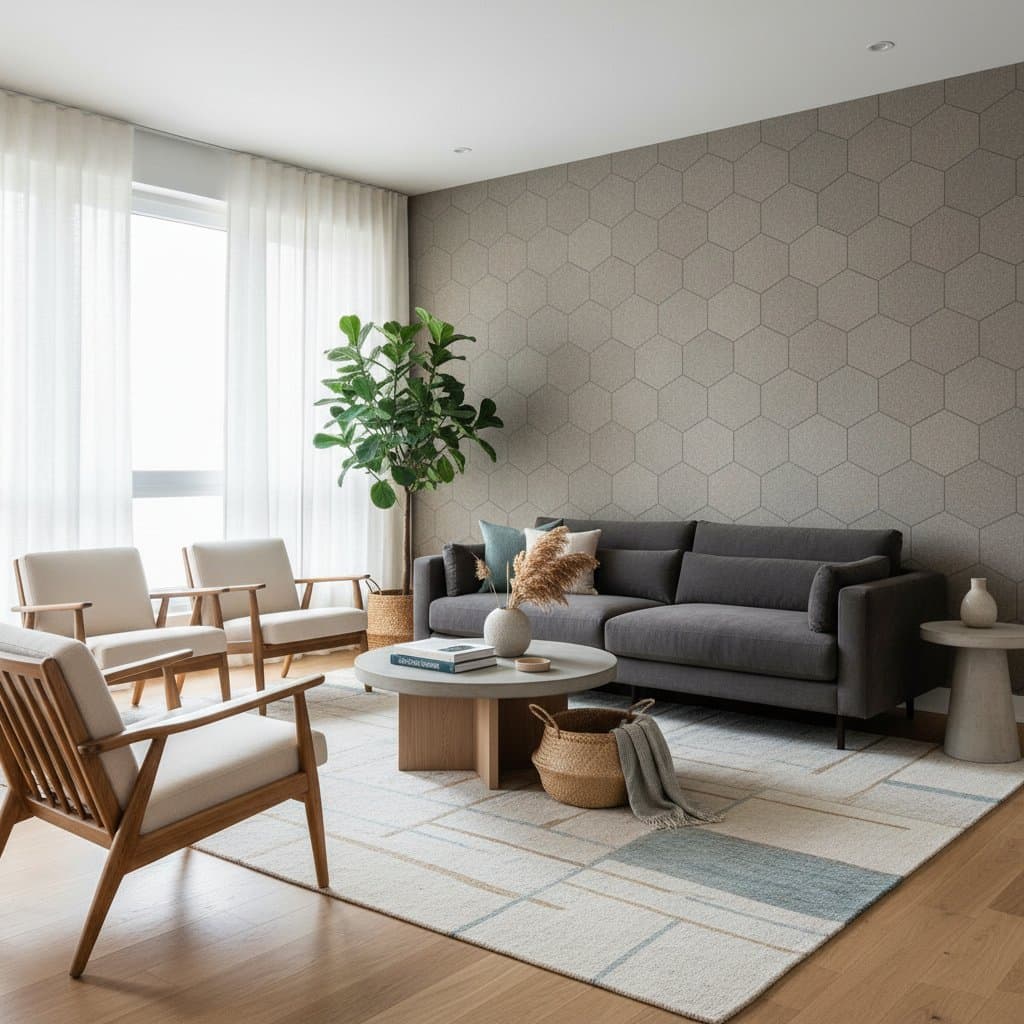
These materials provide a soft, matte finish with inherent tactility, evoking immediate coziness. They appear in diverse colors, from subdued neutrals to vibrant earth tones, and can form tiles, linear arrangements, or bespoke shapes. Wool variants introduce a natural element, integrating well with layered, inviting interiors.
2. Wood Slats:
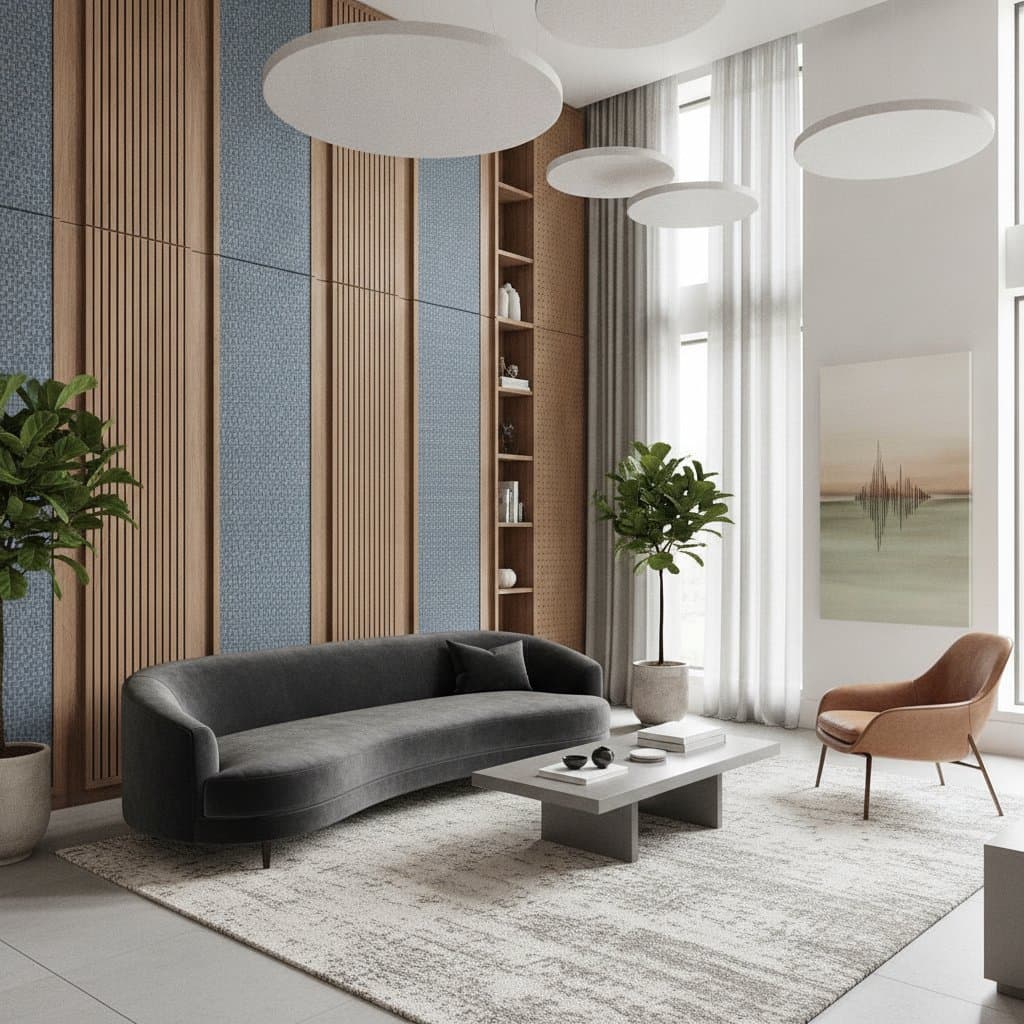
Wooden panels combine organic warmth with architectural precision. Thin vertical slats positioned over sound-absorbing substrates generate rhythmic patterns and visual depth. Finishes in light oak, rich walnut, or dark-stained options complement virtually any style. Their design also promotes uniform sound diffusion, making them suitable for communal spaces like living rooms or dedicated music zones.
3. Cork and Composite:
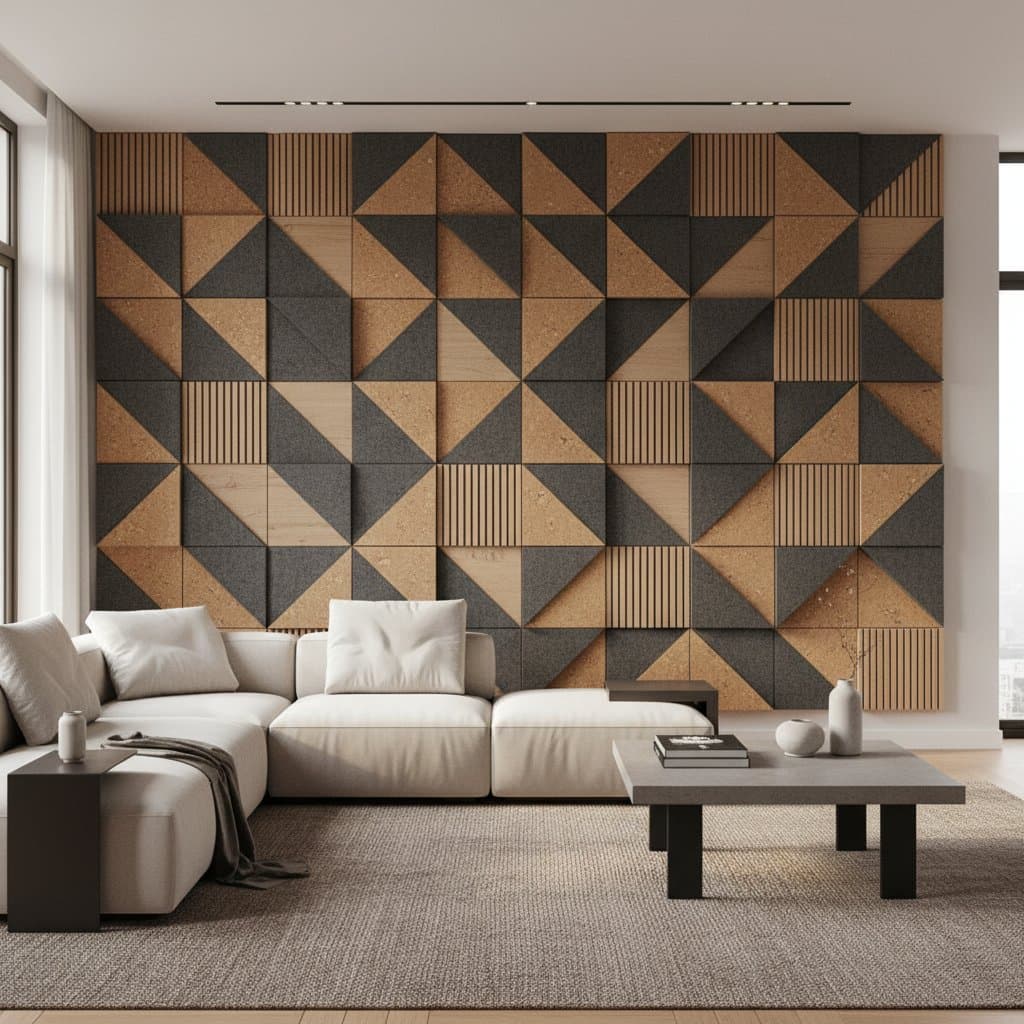
Cork delivers an earthy aesthetic with natural tonal and textural variations. It remains environmentally sound and straightforward to install. Designers often pair cork with recycled foam or plant-based fibers to boost absorption capabilities, yielding a contemporary yet rooted appearance.
4. Fabric-Wrapped Panels:
Such panels allow boundless customization. Linen wrapping suits relaxed, seaside-inspired themes, whereas velvet imparts opulence. Modular systems from various manufacturers enable blending of hues and fabrics to craft personalized wall motifs.
Sculpting with Texture and Shape
A compelling feature of acoustic design lies in employing three-dimensional elements to influence light and shadow. Panels arrange into grids, undulating waves, or radiating layers. Tonal shifts across surfaces further enhance perceived depth.
For serene, minimalist interiors, select panels matching the wall color. Subtle textures capture light gently, introducing intrigue without excess. To achieve a bolder expression, intersperse panels in two harmonious tones, producing a textured weave that appears custom-crafted and welcoming.
Alternatively, position panels as standalone artworks rather than comprehensive coverings. A prominent sculptural piece above seating serves dual purposes of decoration and noise management. In corridors, aligned fabric tiles introduce cadence while mitigating reverberation.
Simple Steps to Plan and Install
Despite their sophisticated appearance, acoustic panels install with relative ease. Success depends on meticulous layout planning and precise measurements.
-
Identify problem areas. Observe the space in silence to detect persistent echoes or abrasive vocal tones. Corners and expansive flat surfaces typically require the greatest attention.
-
Select style and material. Consider prevailing decor. Natural, tranquil homes benefit from felt or wool in gentle palettes; structured preferences favor wood or angular designs.
-
Measure the target wall. Determine the desired coverage dimensions in height and width.
-
Prepare the surface. Remove dust and confirm smoothness. Adhesive types demand a pristine base for optimal adhesion.
-
Proceed with installation. Products may employ adhesive backing, clips, or fasteners. Begin centrally or from the lower edge, expanding outward to maintain uniformity.
-
Review and refine. After placement, assess alignment from a distance. Minor adjustments preserve the intended visual harmony.
Spaces That Benefit Most
Acoustic panels enhance virtually any interior, though certain rooms experience notable improvements in livability.
Home Offices: Remote work requires concentration. Positioning panels behind or adjacent to the workstation minimizes distractions from keystrokes or communications, establishing a purposeful, peaceful domain.
Living Rooms: Expansive lounges with lofty ceilings and resilient flooring intensify acoustics. A textured panel wall behind primary seating immediately tempers sound while enriching the visual landscape.
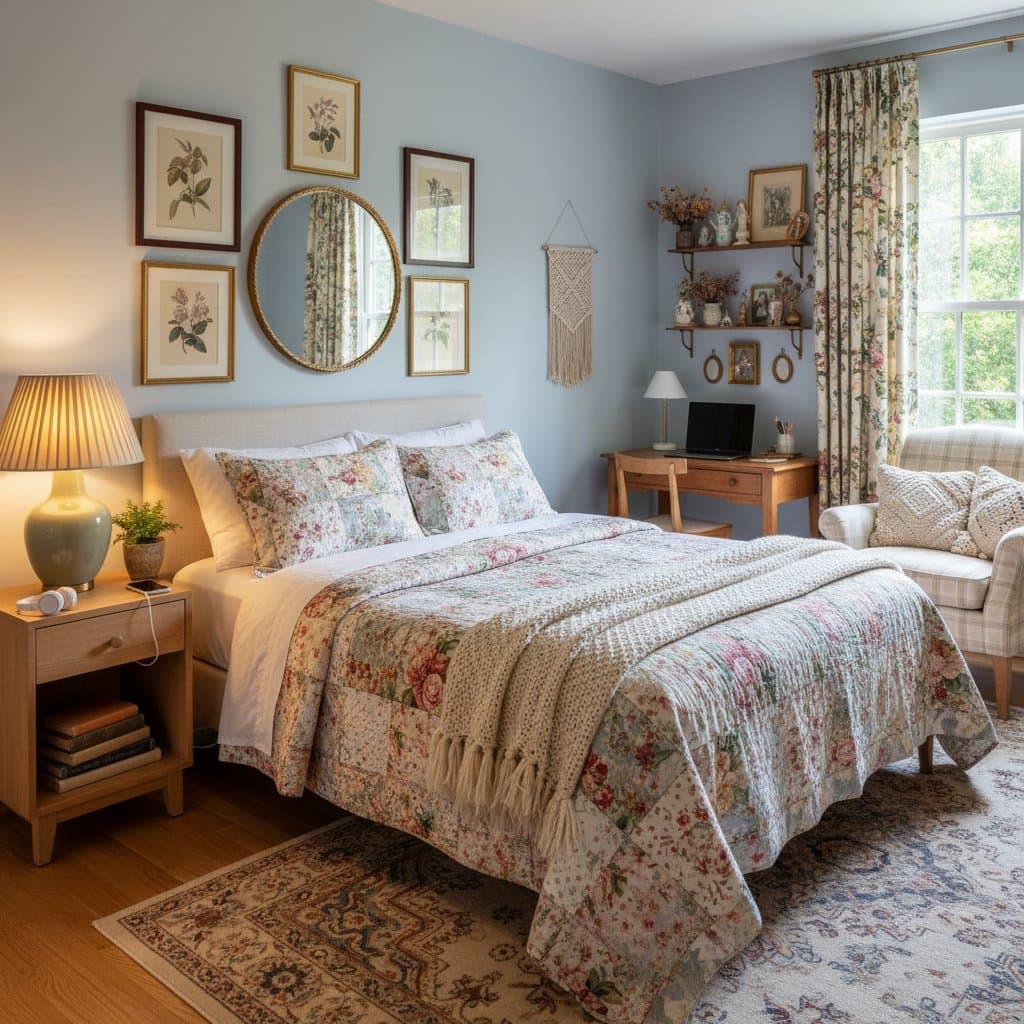
Bedrooms: Restful sleep thrives in silence. Overhead panels above the bed absorb noise and substitute as upholstered headboards, enveloping the area in gentle layers.
Media Rooms: During film viewings or audio sessions, panels refine auditory balance. They soften harsh dialogue and curb reflections, fostering deeper immersion.
Entryways and Hallways: Transitional zones amplify movement sounds in fluid layouts. Strategically placed slim panels along walls temper acoustics as occupants navigate.
Combining Function and Aesthetics
Superior designs integrate utility with visual appeal. Acoustic panels exemplify how necessity sparks aesthetic innovation. Professionals now view them as avenues to infuse personality and movement into spaces.
Incorporate illumination to accentuate textures. Sconces or focused overhead fixtures produce flattering shadows that emphasize motifs. Certain panels include built-in LED edging for subtle illumination.
For dynamic compositions, merge materials. Adjacent felt and wood sections, or cork accents, prevent monotony and optimize sound control through diverse surfaces.
A Mindful Approach to Quiet
Ambient noise influences emotional states more profoundly than commonly acknowledged. Persistent sounds foster underlying stress. Conversely, reduced acoustics promote measured respiration and heightened attention. Implementing panels represents intentional environmental curation as well as stylistic choice.
By diminishing reflections, panels amplify subtler auditory elements: fabric whispers, dialogue nuances, or musical pauses. Such refinements elevate everyday experiences discreetly.
Caring for Your Panels
Routine upkeep preserves the pristine condition of installed panels.
-
Dust periodically using a soft cloth or vacuum attachment.
-
Steer clear of abrasive cleaning agents that could discolor or harm finishes.
-
Inspect fixings regularly to verify stability.
-
Reconfigure arrangements seasonally for renewed vitality, if desired.
Eco-Friendly Choices
Contemporary acoustic offerings emphasize sustainability. Seek products from recycled felt, organic wool, or certified timber sources. Water-based glues and reusable containers further align with green practices. Opting for such selections bolsters ecological efforts alongside residential well-being.
For hands-on enthusiasts, assemble custom panels with fabric coverings, wooden frames, and recycled insulation. This method demands effort but grants full customization in dimensions and palette.
Living with Quiet Beauty
With panels in position, transformations extend beyond acoustics. Interiors gain composure, definition, and individuality. Interactions warm with clarity. Audio experiences deepen in richness. Moments of repose become more appreciable.
Acoustic panels underscore the inseparability of design and usability. They illustrate that allure encompasses auditory dimensions, including intentional silences. Each layered surface contributes to holistic harmony.
Your Next Steps
To introduce this harmony, commence modestly. Target a single resonant or vacant wall. Dedicate time to assessment and strategy. Then, trial materials resonant with personal preferences.
Each addition cultivates tranquility. Gradually, the residence evolves into a quieter, more authentic reflection of its inhabitants. Thoughtful selections shape environments that resonate serenely across senses.