Acoustic Panels: Art That Silences Noisy Homes
Open floor plans, high ceilings, and hard surface finishes create appealing aesthetics, yet they amplify everyday sounds. Conversations reverberate, footsteps echo, and routine activities generate more noise than necessary. Designers increasingly recommend acoustic panels that serve as artwork to address these issues. These panels absorb sound while contributing visual interest, elevating noise management to an integral element of interior design.
At a Glance
Who lives here: Families and professionals working from home
Location: Various urban and suburban settings
Size: From compact apartments to large open-plan houses
Design teams: Acoustic specialists, interior designers, and makers of custom wall panels
After: Panels That Blend Sound Control with Style
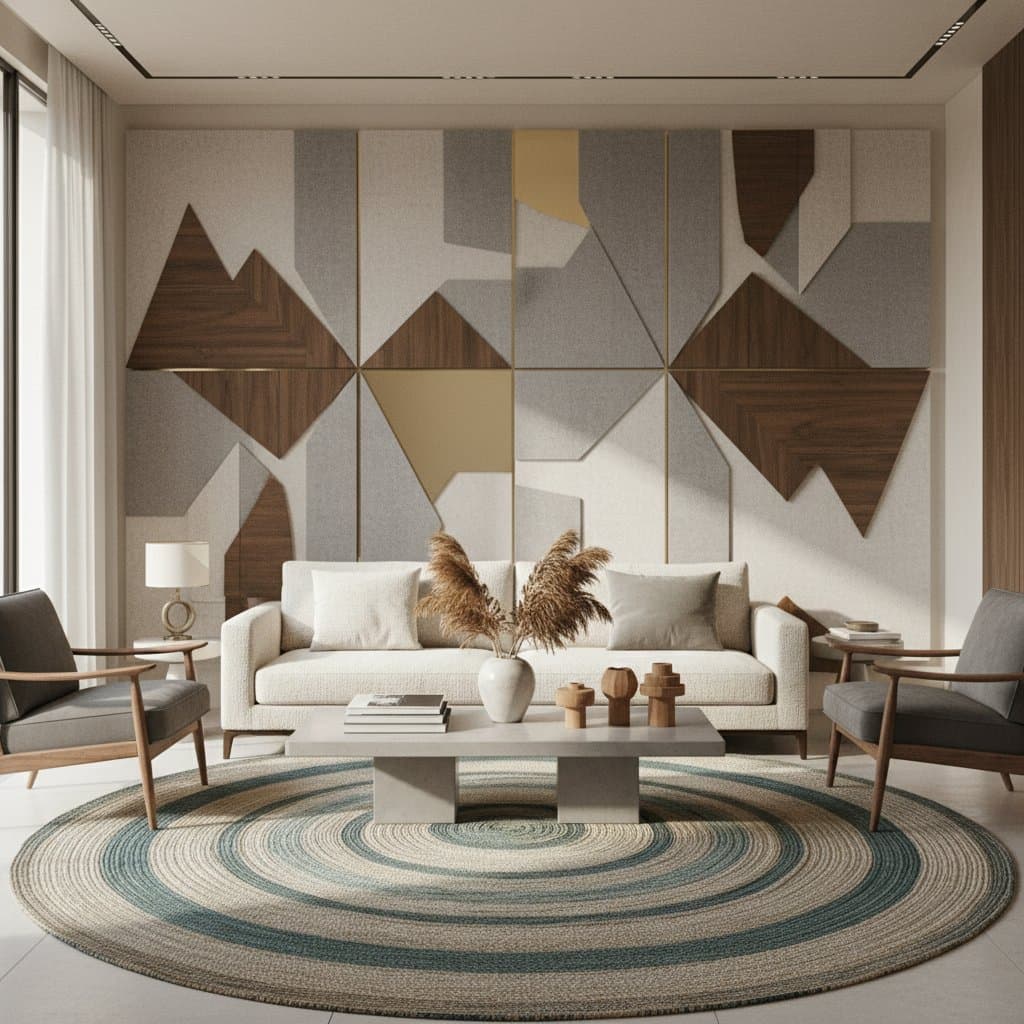
Traditional acoustic panels often concealed themselves behind drywall or featured unremarkable upholstery. Contemporary versions appear in sculptural shapes, custom-printed artwork, and modular arrangements that integrate seamlessly into decor. Designers position them as focal points on walls or ceilings, where they both capture attention and mitigate auditory disturbances.
Consider a downtown loft project where designer Lila Hart incorporated five rectangular panels upholstered in linen tinted to complement the surrounding walls. Each panel spanned 24 by 48 inches, or 61 by 122 centimeters, with beveled edges that reflected light gently. Hart explained, “We wanted something that looked custom, not commercial.” These panels diminished reverberation by nearly half, resulting in a space that maintains acoustic balance amid multiple conversations.
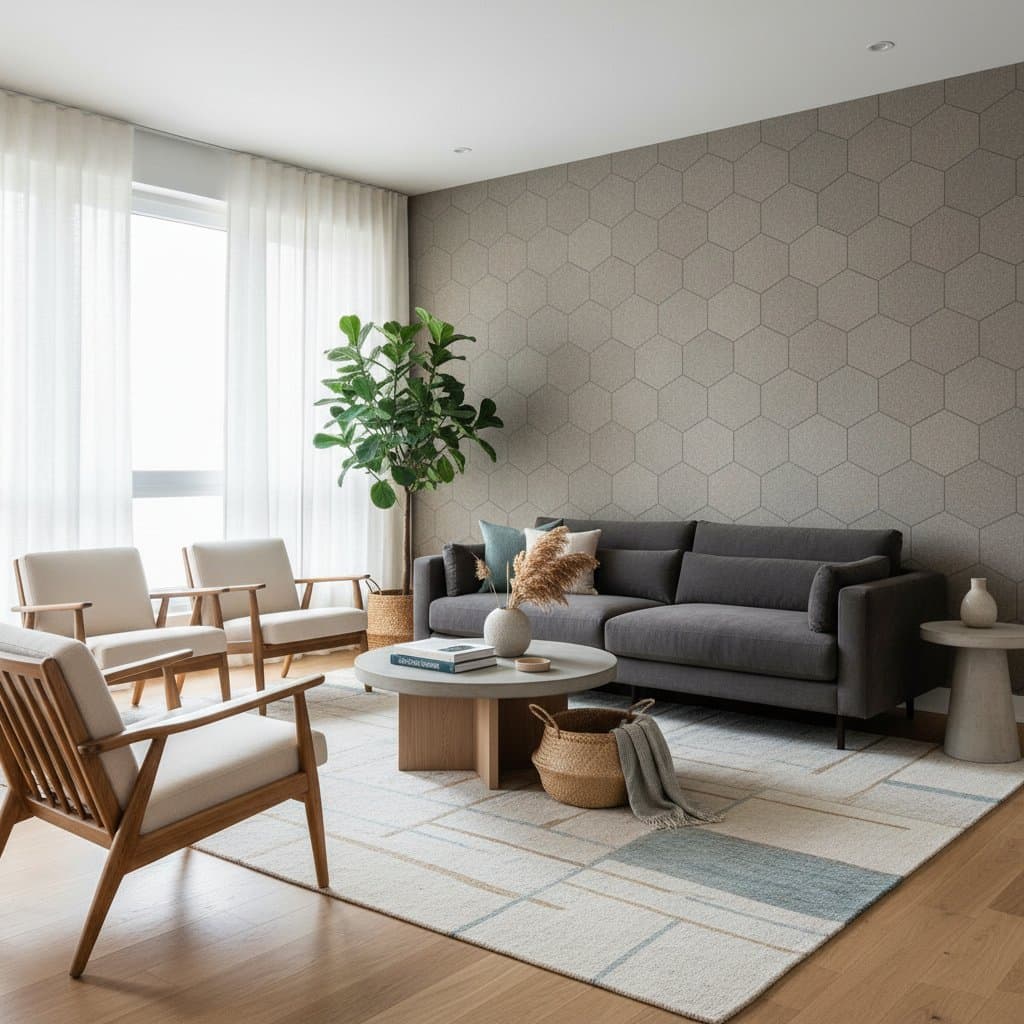
In another installation, hexagonal felt tiles adorned a dining room wall in alternating shades of muted gray and blush. This geometric arrangement absorbed mid- to high-frequency sounds, reducing the clatter from utensils and voices. Such configurations prove particularly effective in open-plan layouts, as they delineate areas visually while enhancing auditory comfort. Homeowners report that these subtle interventions make gatherings more enjoyable without altering the room's overall character.
Why Acoustic Panels Matter for Daily Living
Excessive noise disrupts concentration, hinders relaxation, and interferes with rest. In multi-person households, a video conference or musical practice from one individual can intrude upon another's need for tranquility. Acoustic art panels capture and disperse sound waves, fostering a more serene environment.
Designer Mateo Ruiz, specializing in compact apartments, observes, “When we manage sound, people notice the difference immediately. They describe it as peaceful, even though they cannot always pinpoint what changed.” By minimizing echoes, these panels impart a sense of warmth and intimacy to spaces. They facilitate softer, clearer dialogues, which in turn reduces overall tension.
For remote workers, improved acoustics ensure precise audio during virtual meetings, minimizing misunderstandings. In communal areas, they enrich the quality of music and speech without requiring higher volumes. Beyond mere comfort, these panels promote effective interaction and a heightened sense of well-being throughout the day.
Mini Guide: How to Try the Idea at Home
1. Start with one wall.
Experiment with a limited number of panels to observe acoustic improvements before a comprehensive setup. Positioning a grid behind seating or over a dining surface often yields noticeable results with minimal effort.
2. Combine textures.
Pair soft felt elements with wooden slats or fabric-covered pieces to achieve a harmonious blend of softness and definition. This variety prevents monotony while optimizing sound absorption across different frequencies.
3. Think vertically.
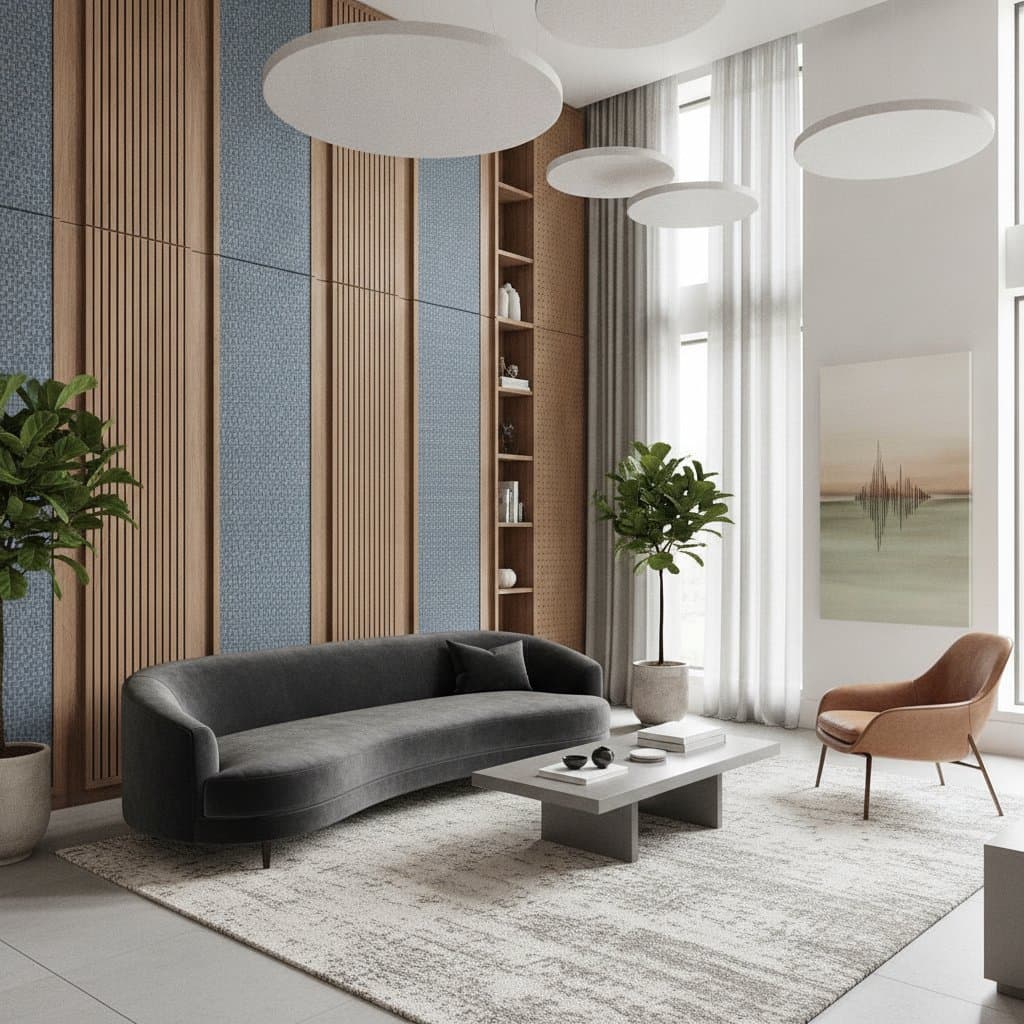
In rooms with lofty ceilings, install overhead panels or suspended elements to intercept sound that rises and rebounds. These configurations address vertical echo paths effectively, particularly in vaulted or atrium-style spaces.
4. Use art as function.
Opt for acoustic versions of familiar artwork when planning wall displays. These feature sound-dampening cores wrapped in printed fabrics, merging decorative appeal with practical utility.
5. Work with a designer.
Engage experts to assess reverberation levels and recommend specifics on panel density, thickness, and placement. Professional input ensures tailored solutions that align with both aesthetic preferences and performance needs.
6. Measure before and after.
Use a smartphone app or simple clap test to gauge echo reduction post-installation. This verification confirms the panels deliver the intended acoustic benefits.
Experiencing Enhanced Home Acoustics
After installation, acoustic panels integrate unobtrusively into the surroundings while profoundly influencing the atmosphere. Dialogues emerge crisper, media volumes require less adjustment, and ambient sounds soften considerably. Optimal designs harmonize technical efficacy with stylistic coherence, embedding sound management within the narrative of home decor.
Homeowners value these elements for their dual contributions to ease and elegance. Acoustic panels do more than quiet disturbances; they refine the sensory experience of living spaces, inviting deeper appreciation for both silence and design.