Blending Acoustics and Aesthetics in Home Design
After a long day, individuals often crave a serene environment for unwinding. Yet, urban sounds seep through walls, footsteps resonate in corridors, and media playback suffers from unwanted echoes. Acoustic panels offer a refined solution, converting standard residences into tranquil refuges while preserving visual elegance.
Evolving Designs for Modern Living
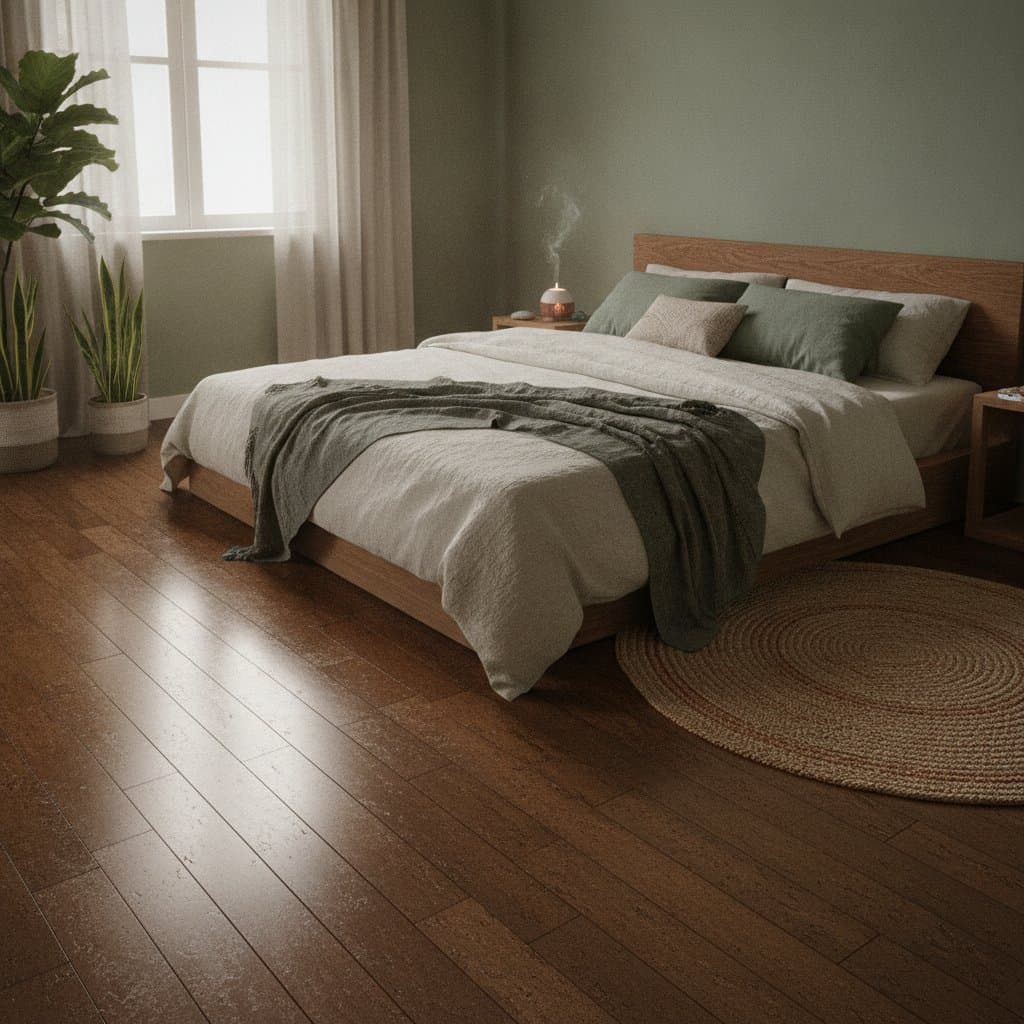
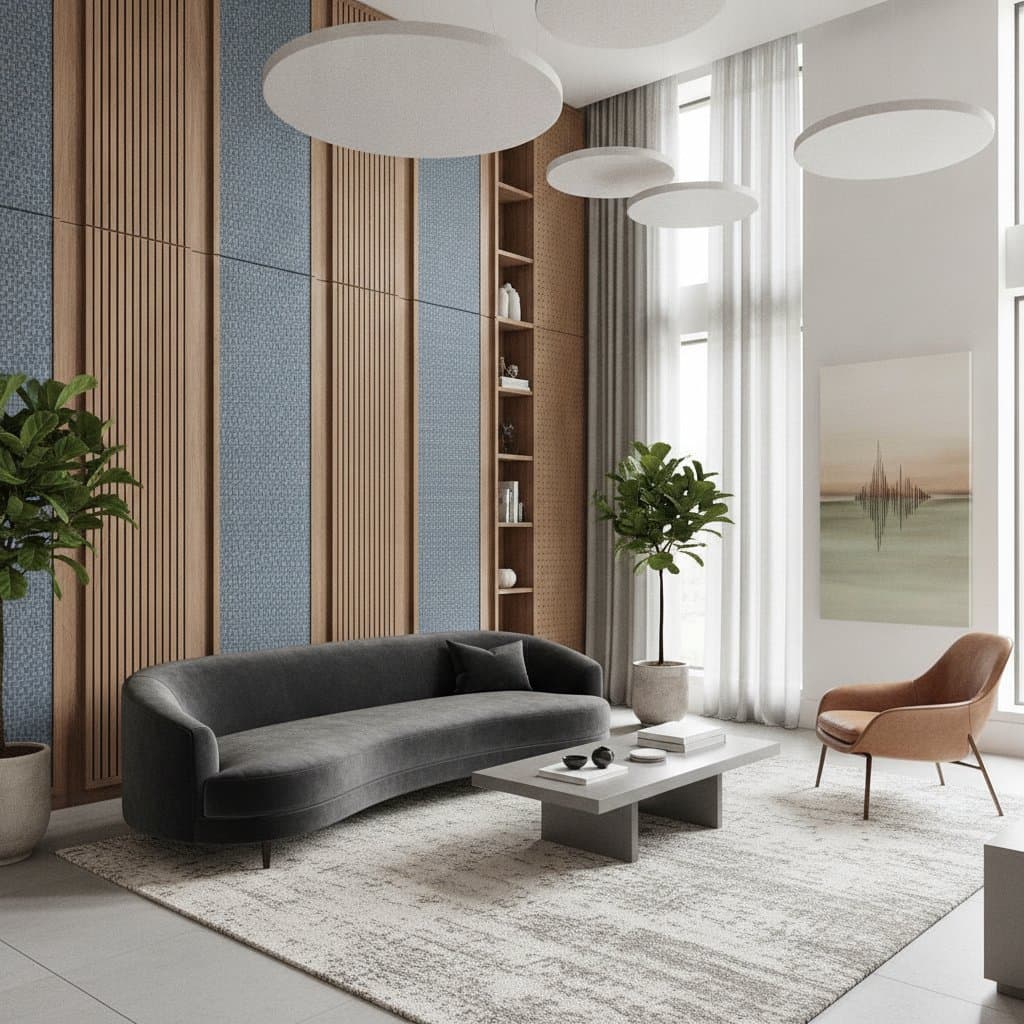
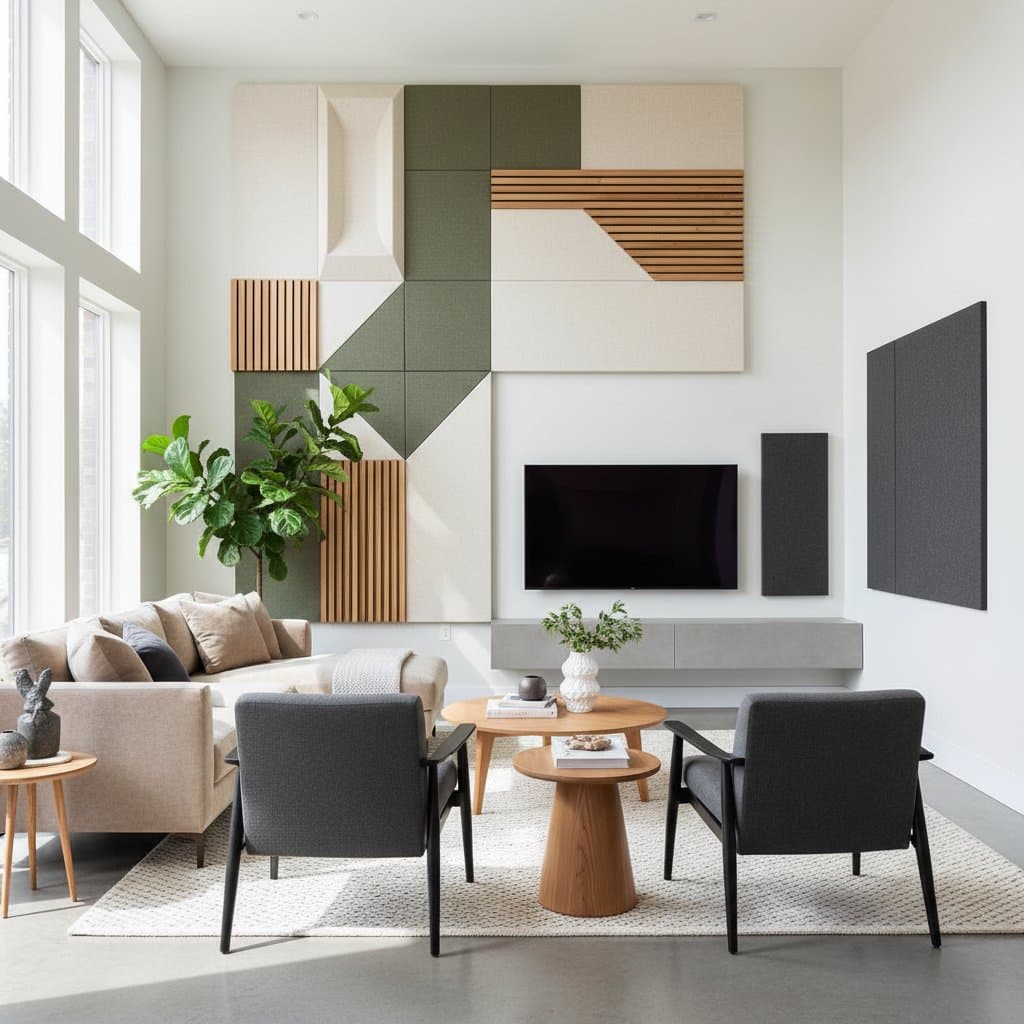
Modern acoustic panels surpass outdated foam blocks or nondescript tiles. They feature coverings in luxurious fabrics, layered wooden slats, or bold graphic prints that double as decorative focal points. These innovations manage sound effectively while elevating the room's overall appearance, making them suitable for cozy reading corners, restful bedrooms, or efficient home offices.
In city dwellings or open-concept layouts, hard surfaces like ceramic floors, large windows, and bare walls intensify noise. Acoustic panels capture and dissipate sound waves, minimizing reverberations and fostering tranquility. This approach not only quiets spaces but also creates an auditory balance that enhances everyday well-being.
Key Benefits for Residential Spaces
Excessive noise undermines even the finest interior arrangements, causing discomfort. Acoustic panels restore harmony through precise advantages:
- Minimizing echoes and reverberations to ensure smooth, natural conversations.
- Enhancing sound precision for better experiences with music streaming, movie viewing, or online meetings.
- Adding warmth and depth through materials such as velvety fabrics, sustainable wood, or durable felt.
- Increasing seclusion in communal zones or structures with thin partitions.
Envision a family room where discussions feel intimate and engaging, or a workspace shielded from street clamor. These improvements stem from thoughtful positioning and selections that match specific lifestyle requirements.
Selecting Panels to Fit Your Needs
Choosing panels depends on the area's size, intended use, and stylistic goals. Evaluate these types to guide your choices:
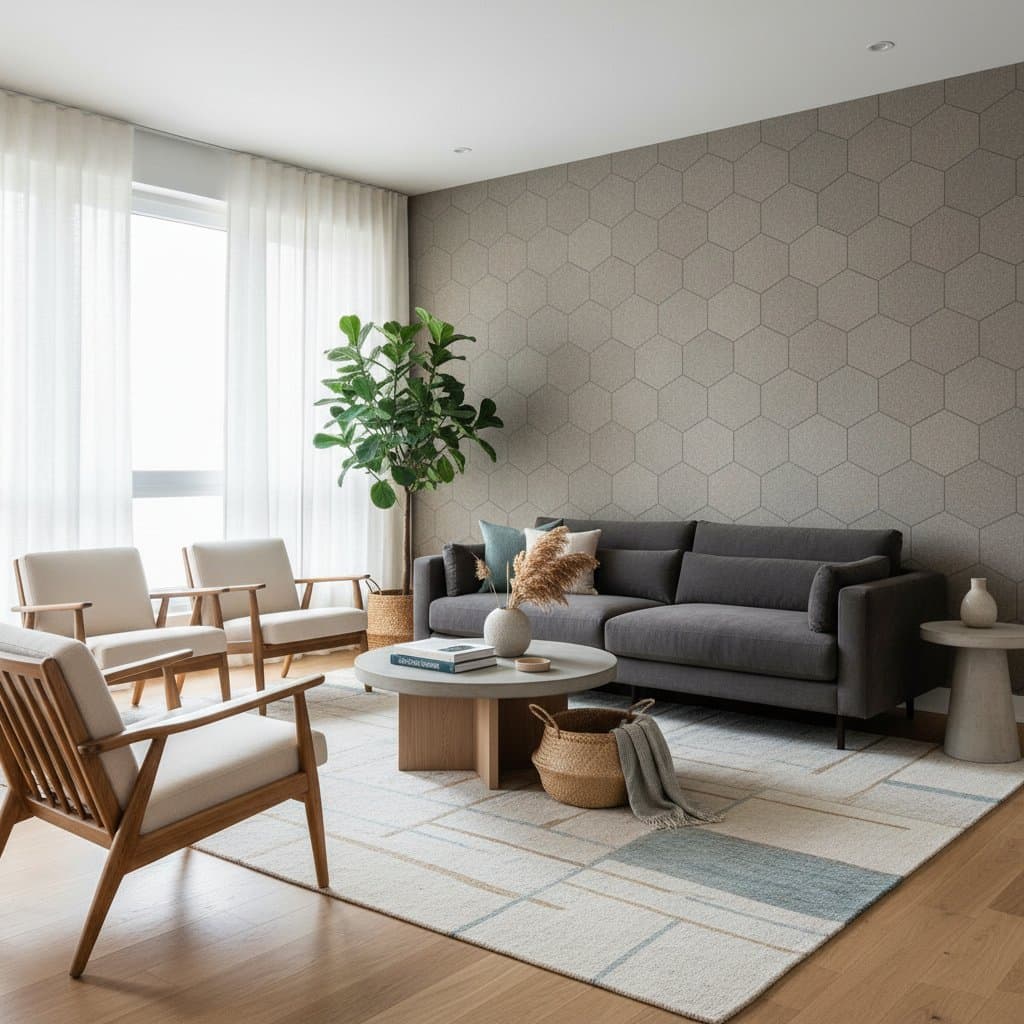
- Fabric-wrapped panels offer versatility with extensive color and pattern options that harmonize with furnishings like sofas or curtains. Placing two to four units in high-reflection zones, such as opposite walls, delivers significant acoustic improvements.
- Wooden slat panels provide a contemporary edge for minimalist environments. Install them as feature walls to integrate functionality with architectural interest.
- Art-printed panels combine practicality and personalization, available in themes ranging from landscapes to abstract motifs or custom photographs.
- Ceiling-mounted clouds or baffles address vertical sound paths in large volumes like living areas, controlling overhead reflections without altering wall designs.
For most homes, covering 20 to 30 percent of the wall area proves effective. Measure the room's dimensions first, then calculate surface needs based on echo-prone spots, such as corners or behind speakers.
Practical Installation Steps
Many acoustic panels attach easily with supplied fixtures, including metal brackets or strong adhesive strips. A qualified installer can complete a standard project in two to four hours, verifying stability on various surfaces.
Clean and prepare walls in advance, especially in older properties where repairs or fresh primer may be necessary. In moisture-prone regions, select moisture-resistant polyester fibers or sealed wood to avoid deformation. For cooler areas, fabric-encased fiberglass options provide mild insulation benefits in addition to acoustic performance.
Local codes rarely restrict standalone panels, but any additions involving wiring demand oversight from licensed electricians to meet safety protocols. Test placements temporarily with removable hooks to refine positioning before permanent fixes.
Balancing Costs with Quality
Prices vary from affordable ready-made units to high-end bespoke designs, determined by craftsmanship and dimensions. Begin with cost-effective fabric panels in less prominent rooms, then allocate funds for signature items that define the space's personality.
Seek guidance from acoustics professionals who evaluate both sound dynamics and visual elements. They deliver estimates based on local market rates and recommend reliable suppliers for seamless results.
Designing Spaces for Acoustic Comfort
Acoustic panels function as vital components in layered interior schemes, similar to area rugs or curtains that soften floors and frames. They optimize not just volume but the full sensory atmosphere.
Use them to develop a soothing living area, refine a theater setup for enveloping audio, or elevate focus in a professional nook. Align choices with daily routines and environmental factors to transform residences into deliberate havens where sound supports rather than disrupts.
This results in effortless interactions, vibrant audio experiences, and intentional silence, deepening engagement with one's surroundings.