Acoustic Panels: Artful Noise Control for Modern Homes
Quiet settles the mind in ways few elements can. Open homes with lively activity often amplify sounds, from clattering dishes to echoing conversations, making calm elusive. Acoustic panels provide a practical remedy that integrates seamlessly with design. These panels absorb excess noise, warm bare walls, and serve as compelling art installations.
The goal extends beyond mere noise reduction. Panels foster intentional spaces that promote peace and balance. Contemporary options feature innovative shapes and finishes, positioning them as visible decor elements that align with modern aesthetics.
Why Sound Matters at Home
Sound influences emotions within living spaces. Elevated noise levels heighten stress, while controlled acoustics encourage relaxation. Hard surfaces like wood floors, tile countertops, and expansive windows reflect sound waves, creating echoes despite their visual appeal. Acoustic panels mitigate these reflections, converting discord into balanced ambiance.
The impact proves subtle but significant. In a living room, panels render voices more intimate and music playback more even. A home office shifts from chaotic to conducive for productivity. Hallways and stairwells gain warmth, eliminating hollow reverberations with strategic panel placement.
The Beauty of Form and Function
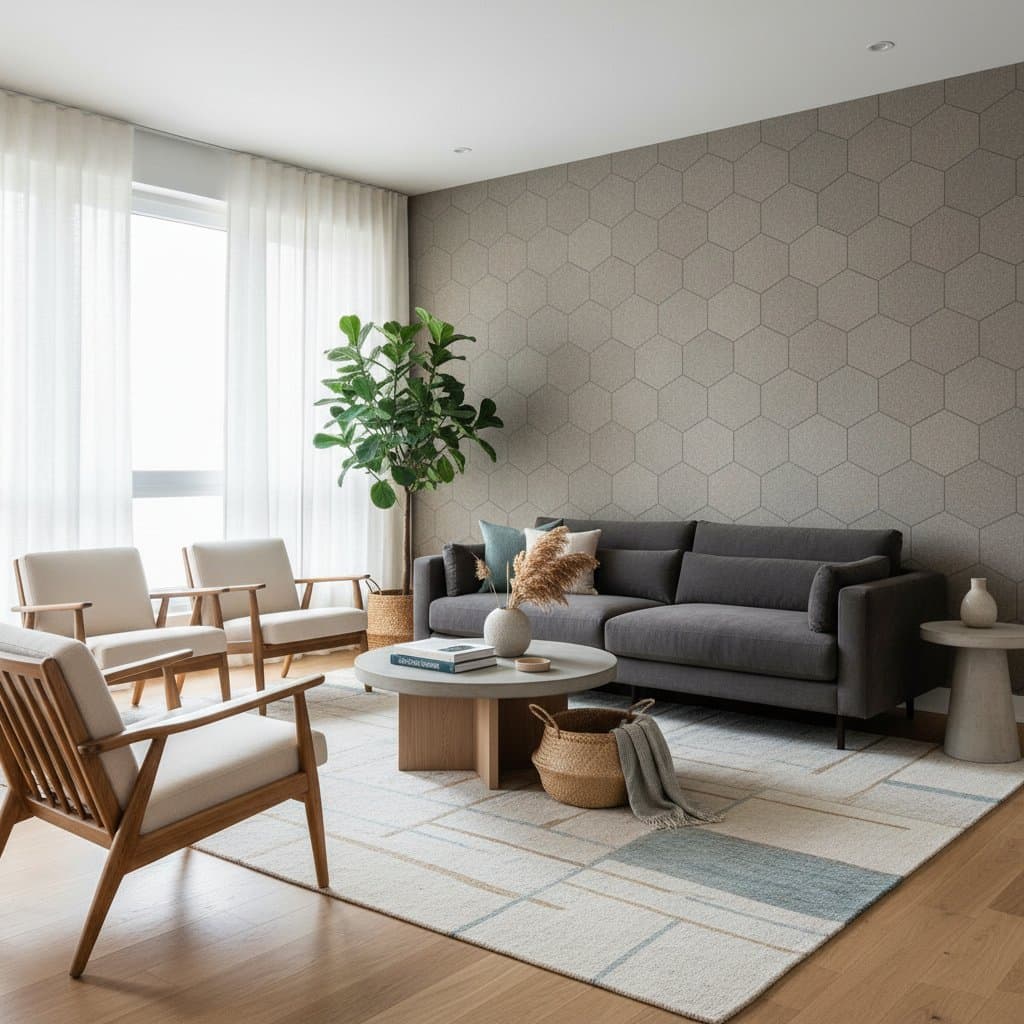
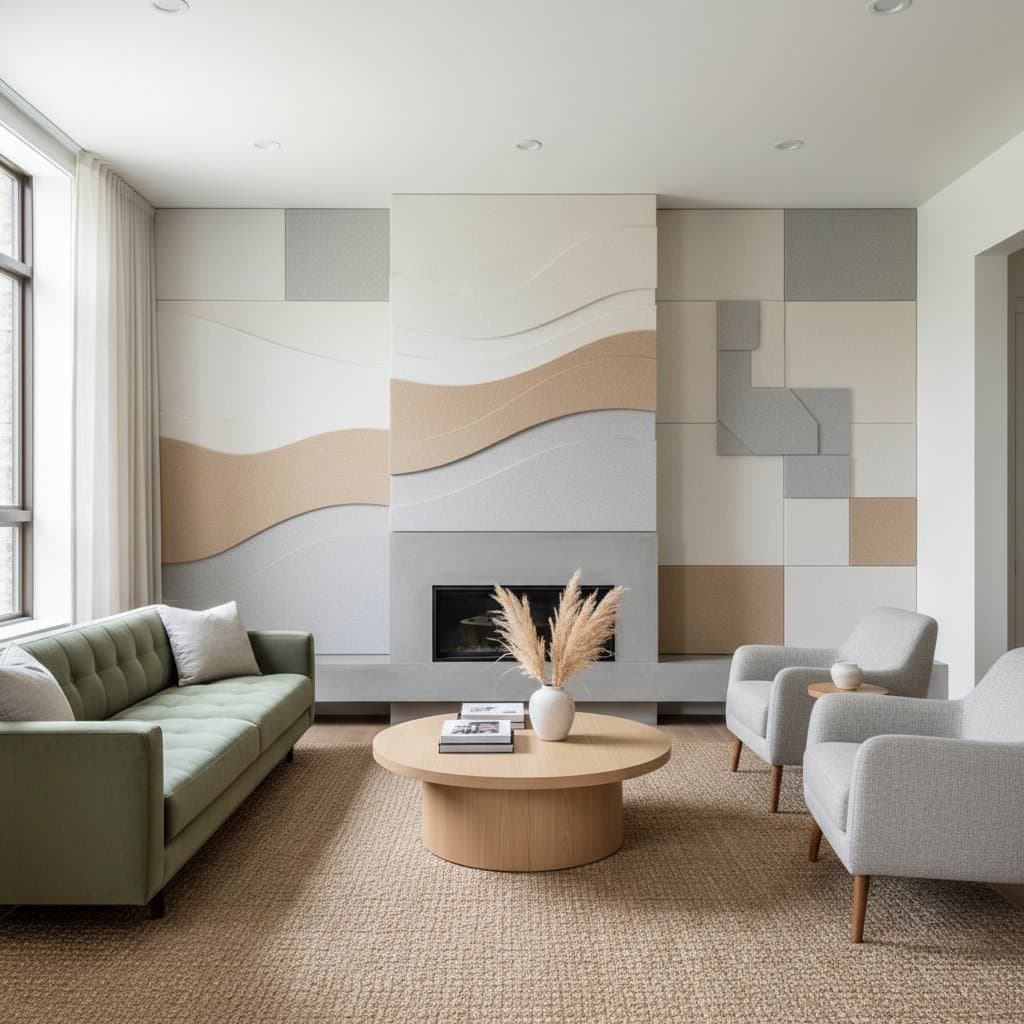
Contemporary acoustic panels transcend outdated, plain designs from recording studios. Innovators craft them as artistic statements, available in wave-like contours, circular motifs, or interlocking geometric tiles. Upholstery in plush fabrics, wood slats, felt layers, or sustainable composites imparts varied textures.
Homeowners incorporate these elements into decor strategies. Arrange panels in precise grids or organic clusters to enhance visual rhythm. Select hues that harmonize with surroundings or bold contrasts for emphasis. Dual benefits emerge: superior sound management paired with enriched spatial depth.
Where Acoustic Panels Make the Most Difference
Homes exhibit unique acoustic profiles, with some areas prone to echoes and others to muffled tones. Targeted placement maximizes efficacy without excess coverage.
Living Rooms
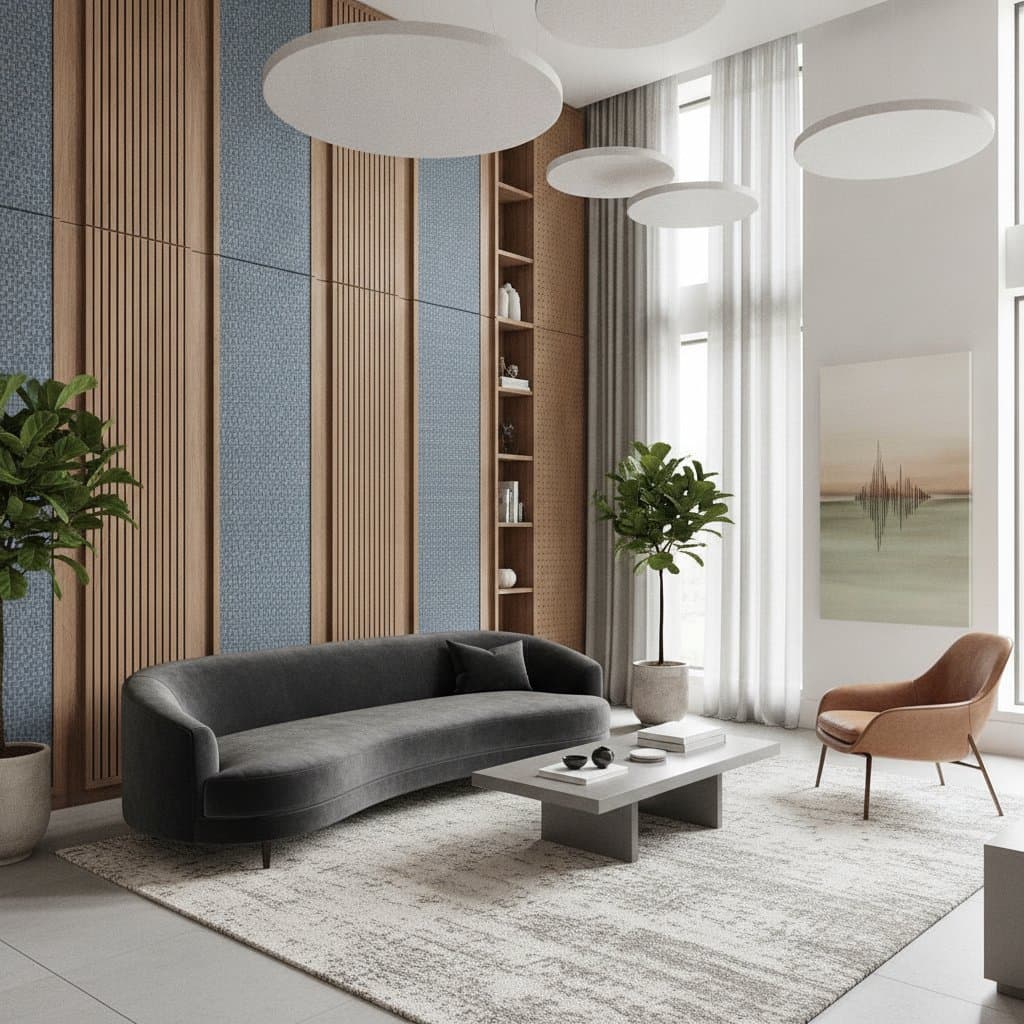
Open layouts challenge sound control due to high ceilings and resilient materials like stone or glass. Install panels on primary walls to clarify dialogue and dampen floor-to-ceiling reverberations. This addition introduces tactile softness to otherwise stark environments.
Home Offices
Focused work demands minimal distractions. Position panels behind desks to capture keystroke echoes and stabilize audio during virtual calls. They double as professional backdrops, conveying composure on video.
Bedrooms
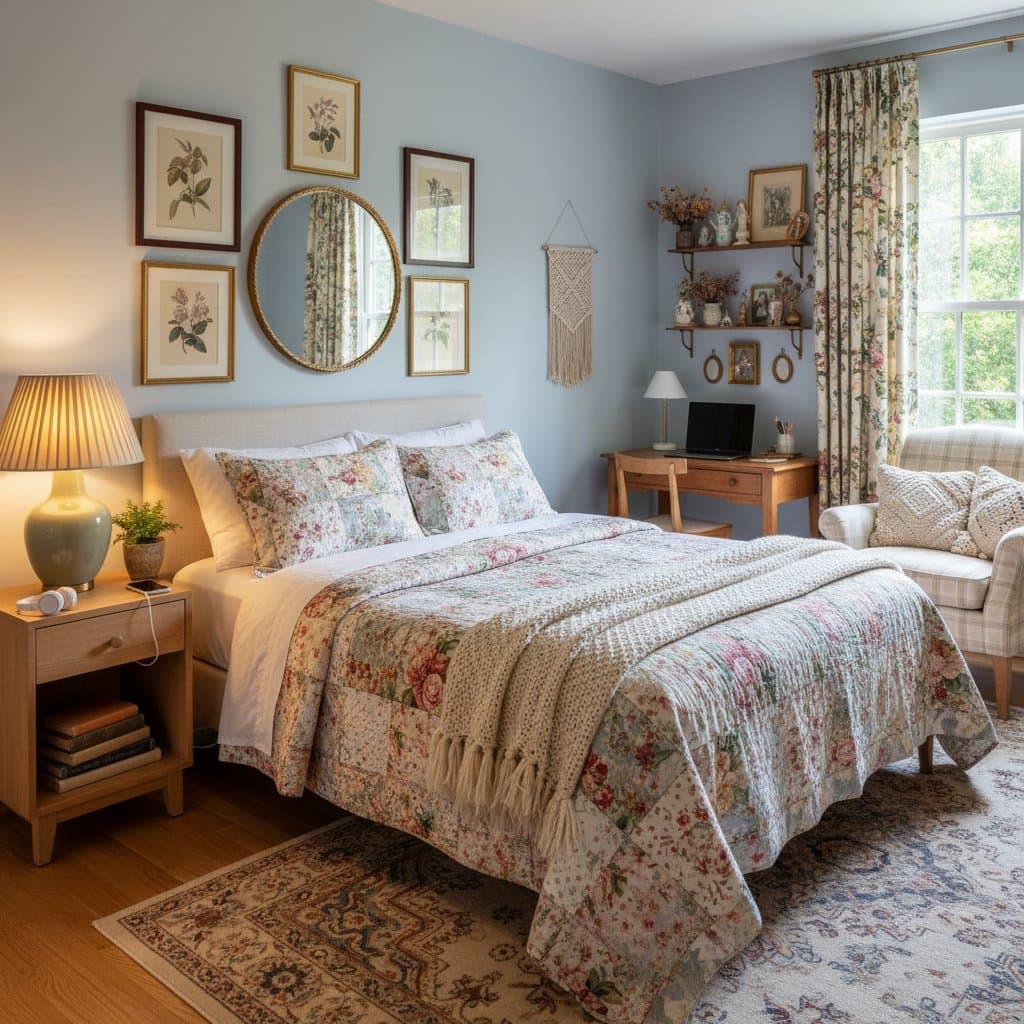
Restful retreats suffer from external or internal intrusions. Mount soft panels as bed headboards to buffer urban clamor or household activity. This setup evokes a protective enclosure, enhancing sleep quality.
Dining Areas
Mealtime discussions thrive in intimate acoustics. Ceiling-suspended or wall-affixed panels minimize utensil clinks, drawing voices into a cohesive warmth around the table.
Entryways and Hallways
Transitional zones frequently amplify footsteps and greetings. Apply slim panels or decorative tiles to infuse elegance and curb sound carryover between rooms.
How to Choose the Right Panels
Panel selection balances style and acoustics through deliberate choices.
- Measure room dimensions precisely. Larger volumes require greater absorption; begin with a single wall and evaluate results.
- Target ear-level positioning. Hang panels above furniture edges for optimal reflection capture and aesthetic equilibrium.
- Select materials aligned with desired ambiance. Fabrics and felt convey coziness, while wood or cork introduce organic appeal. Opt for matte surfaces in streamlined styles for minimalism.
- Vary panel sizes and profiles. Combining depths targets diverse frequencies, adding dimensional interest to walls.
- Initiate with modest quantities. Incremental additions allow fine-tuning to avoid over-dampening.
Creative Ways to Style Acoustic Panels
Integrate panels as understated utilities or dramatic accents within design narratives.
- Compose wall arrangements in grids or offset layouts resembling curated galleries. Layer monochromatic tones for nuanced cohesion.
- Encase panels in slim wood or metal borders to elevate them as framed artworks.
- Align upholstered rows as bespoke bed headboards, merging utility with upholstery elegance.
- Suspend ceiling clouds over communal zones like dining areas to diffuse overhead reflections and introduce architectural intrigue.
- Blend surface types, such as sleek panels with textured weaves, to diversify absorption and visual dynamics.
DIY or Professional Installation
User-friendly designs simplify setup. Adhesive-backed varieties suit temporary applications, ideal for leased properties. Bracket systems yield secure, refined outcomes for enduring installations. Complex architectures with lofty ceilings benefit from expert assessment to achieve uniform acoustics.
Tackle a single room as an introductory endeavor. Procure panels and basic tools for a half-day commitment. The transformation manifests instantly, with softened tones rewarding the effort.
Common Roadblocks and Simple Solutions
Walls Appear Cluttered
Select tone-matched panels or slender, contoured forms for discretion. Group units into unified displays rather than dispersing them.
Rental Restrictions on Drilling
Employ lightweight, adhesive fabric options or portable screens that preserve surfaces.
Uncertainty on Quantity
Commence minimally and expand based on auditory feedback. Excess panels risk dulling vitality, whereas few yield marked gains.
Perceived High Cost
View panels as enduring enhancements to well-being, akin to premium textiles or flooring that elevate routine comfort.
The Emotional Side of Quiet
Acoustics mold emotional landscapes. Noise-absorbent homes yield gentler interactions, precise audio reproduction, and profound stillness.
Such environments cultivate repose and attentiveness. They underpin intentional lifestyles, where elements harmonize for effortless flow. Thoughtfully selected panels weave into the home's sensory fabric, subtly guiding daily rhythms.
Implementing Acoustic Improvements
Address auditory excesses by observing patterns for fifteen minutes. Identify persistent echoes or resonances, then prioritize one zone.
Post-installation, attune to alterations: muted steps, proximate speech. This evolution renders spaces more nurturing.
Progress methodically across rooms, fostering pervasive tranquility. Prioritize usability over flawlessness, accruing serenity through incremental refinements.
Quiet underlies vitality's cadence. Acoustic panels clarify this pulse, reshaping walls into serene, artistic backdrops that synchronize with inhabitants.