Replace Rugs with Grounding Mats for Superior Bedroom Wellness
Consider the daily ritual of stepping from bed onto a rug. Despite regular vacuuming, it often retains dust and allergens that subtly undermine comfort. Traditional rugs also accumulate static from synthetic materials, creating an environment that feels less than optimal. Grounding mats address these issues by offering a functional surface that enhances rest and connects users to the earth's natural energy.
These mats, also known as earthing mats, appeal to those prioritizing wellness in home design. They integrate seamlessly with efforts to improve air quality or reduce noise. This addition transforms the bedroom into a space that actively supports recovery rather than merely accommodating it.
Understanding the Grounding Principle
Grounding involves direct contact with the earth's electrical energy. In natural settings, barefoot contact with soil or grass achieves this balance. Indoor surfaces like carpets and synthetic rugs interrupt that connection, leading to accumulated static in the body.
Grounding mats bridge this divide. They conduct the earth's frequency through a connection to a grounded electrical outlet or rod. Users experience this as a gentle equalization, often resulting in reduced tension and improved relaxation.
Research in wellness communities highlights these effects, though personal accounts provide the most compelling evidence. Homeowners increasingly incorporate grounding into designs that prioritize both aesthetics and physiological benefits.
Challenges Posed by Conventional Rugs
Rugs enhance visual appeal but introduce practical drawbacks that affect daily life.
-
Allergen accumulation. Fine dust particles embed in rug fibers, even after thorough cleaning. This residue can exacerbate allergies and compromise sleep for sensitive individuals.
-
Static generation. Materials such as polyester and nylon in rugs and backings produce electrostatic charges. These charges may cause minor discomforts like shocks from nearby objects.
-
Maintenance demands. Regular vacuuming proves insufficient; deep cleaning requires specialized equipment and effort. Neglect leads to faster wear and diminished appearance.
-
Aesthetic overload. Intricate patterns can overwhelm smaller spaces, distracting from other elements like bedding or artwork.
Transitioning to a grounding mat eliminates these concerns while introducing targeted advantages for rest and health.
Functions of a Grounding Mat
A grounding mat links to a grounded outlet via a conductive cord, enabling the earth's stable electrical field to flow through its surface. Bare skin contact allows the body to release excess charge and align with this natural rhythm. The process occurs silently, without any noticeable sensations beyond a sense of equilibrium.
Regular use correlates with reports of enhanced sleep depth and fewer interruptions during the night. Users often note a persistent feeling of tranquility that extends into daily activities. While scientific exploration continues, the anecdotal benefits underscore the mat's value as a low-effort wellness tool.
Selecting an Appropriate Grounding Mat
Options vary to suit different bedroom layouts and preferences. Careful selection ensures both functionality and harmony with existing decor.
-
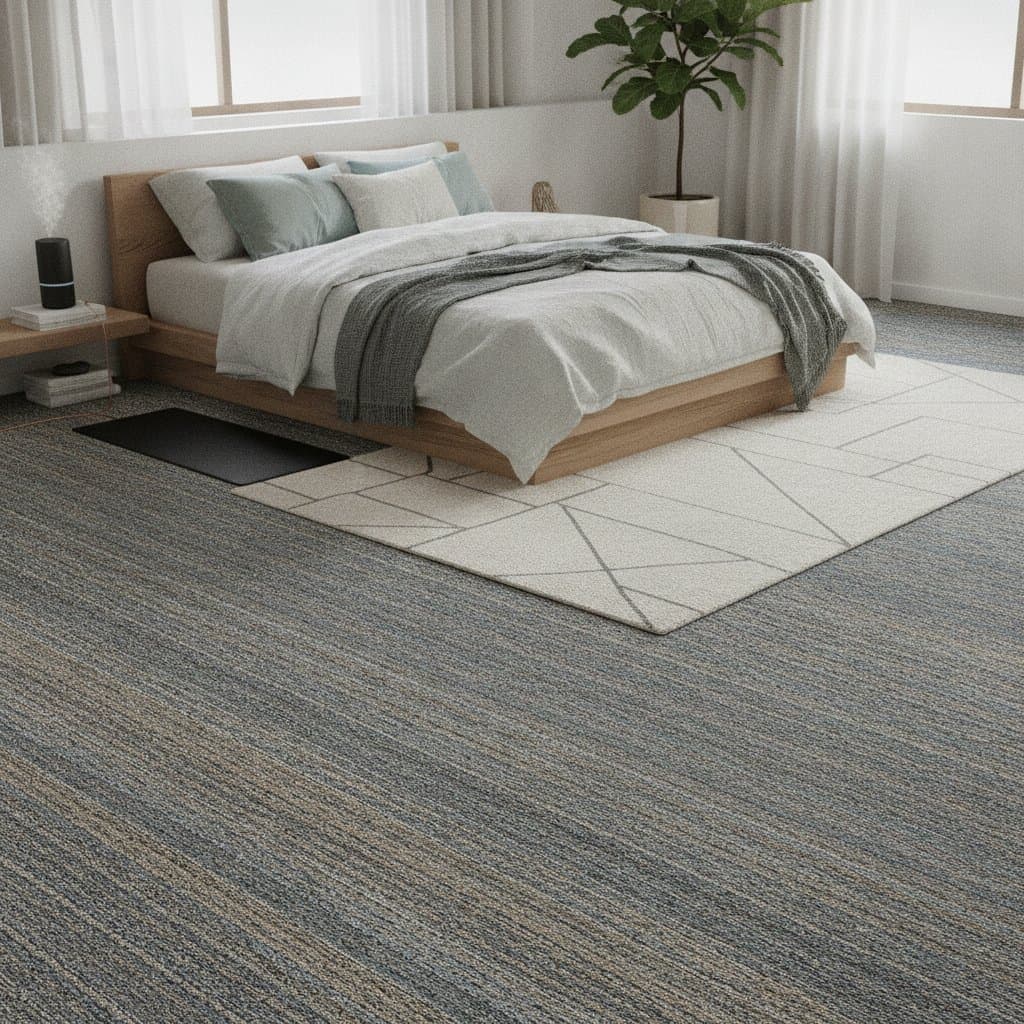
Dimensions and positioning. Opt for mats measuring 24 by 72 inches to cover the bedside area effectively. Position it where feet naturally land upon waking, or extend use to a workspace for prolonged contact.
-
Surface texture. Prioritize mats with a supple, faux-leather coating over rigid vinyl alternatives. This provides a comfortable, non-slip feel that complements hardwood or tile floors.
-
Connection method. Verify compatibility with standard grounded outlets; include an outlet tester for safety. Some models offer rod-based grounding for outdoor-like simulation.
-
Complementary layering. Pair the mat with a slim cotton mat or wool accent for added warmth, ensuring direct skin exposure remains possible.
-
Maintenance routine. Clean surfaces with a mild soap solution and soft cloth weekly. This approach avoids the labor-intensive care required for rugs.
Complementary Home Enhancements
A grounding mat pairs well with subtle modifications that amplify serenity.
-
Quiet hardware. Install soft-close mechanisms on drawers and doors to eliminate abrupt noises that disrupt calm.
-
Streamlined outlets. Select screwless cover plates to achieve a sleek, contemporary finish that aligns with minimalist flooring.
-
Efficient ventilation. Choose remote-operated fans for bathrooms adjacent to bedrooms; they manage moisture quietly without operational sounds.
-
Organized storage. Use custom drawer dividers to maintain order, preventing morning searches for small items.
These adjustments collectively reduce environmental stressors, creating a cohesive backdrop for grounding benefits.
Daily Experience with a Grounding Mat
Initial contact with the mat feels solid and temperate, distinct from the plush give of a rug. Over days, the absence of dust and static becomes evident, contributing to a fresher atmosphere. Many report awakening with greater vitality, attributing it to uninterrupted sleep cycles.
Beyond physical effects, the mat fosters intentional pauses. Standing on it encourages brief moments of centering, integrating mindfulness into routine transitions between rest and activity.
Maintaining Aesthetic Appeal
Functional does not mean stark. Integrate the mat thoughtfully to preserve bedroom warmth.
-
Color coordination. Select mats in earthy neutrals like taupe or slate to harmonize with flooring and furnishings.
-
Texture balancing. Introduce plush elements such as a padded ottoman or layered bedding to offset the mat's firmness.
-
Minimalist approach. Exposed floors with the mat expand perceived space and highlight natural materials like oak or slate.
-
Ambient illumination. Employ dimmable lamps or sconces to infuse softness, compensating for reduced textile coverage.
Refinement lies in curation, where each piece contributes to overall tranquility.
The Deeper Impact on Rest
Wellness often focuses on active spaces, yet the bedroom demands attention to subtle influences. Textures and energies here shape recovery quality. A grounding mat reframes this foundational interaction, aligning physical presence with natural stability.
Its integration requires minimal effort; once placed, it operates passively. This understated efficiency defines effective home design, yielding sustained improvements in daily rhythm.
Cultivating a Clutter-Free Sanctuary
Home wellness extends beyond visible tools to foundational elements. Exchanging a dust-collecting rug for a grounding mat streamlines both space and mind. The result is an environment attuned to individual needs, promoting ease over excess.
Such choices often remain understated, their effects unfolding gradually. They cultivate a bedroom that breathes with intention, supporting renewal without fanfare.
Realizing Lasting Bedroom Harmony
Adopting a grounding mat shifts focus to how surroundings nurture well-being. Cleaner air, stable energy, and serene mornings emerge as tangible outcomes. This evolution turns the bedroom into a true haven, where rest replenishes and routines inspire.
The mat embodies enduring luxury: practical, unobtrusive, and profoundly supportive. Paired with mindful details, it elevates everyday moments into opportunities for balance.