Sound-Absorbing Decor for Calm, Luxurious Homes
Noise disrupts comfort in many homes. Footsteps echo down hallways. Traffic hums through windows. These distractions prevent rooms from feeling settled. True luxury includes acoustic control that creates quiet without requiring construction.
Sound-absorbing decor reduces echoes and softens daily sounds. These additions require no structural changes. Thoughtful selections of panels, textiles, and furniture produce measurable improvements in room acoustics.
Why Acoustic Control Matters
Open floor plans and hard surfaces allow sound to travel and reflect. Echoes increase perceived noise levels and contribute to fatigue during routine activities. Materials designed to absorb sound waves limit reflections and create balanced listening environments.
The goal is controlled acoustics rather than complete silence. Reduced reverberation improves speech clarity and supports relaxation. Spaces transition from acoustically harsh to comfortably muted.
Practical Acoustic Upgrades
The following approaches integrate sound control into existing interiors.
Acoustic Wall Panels
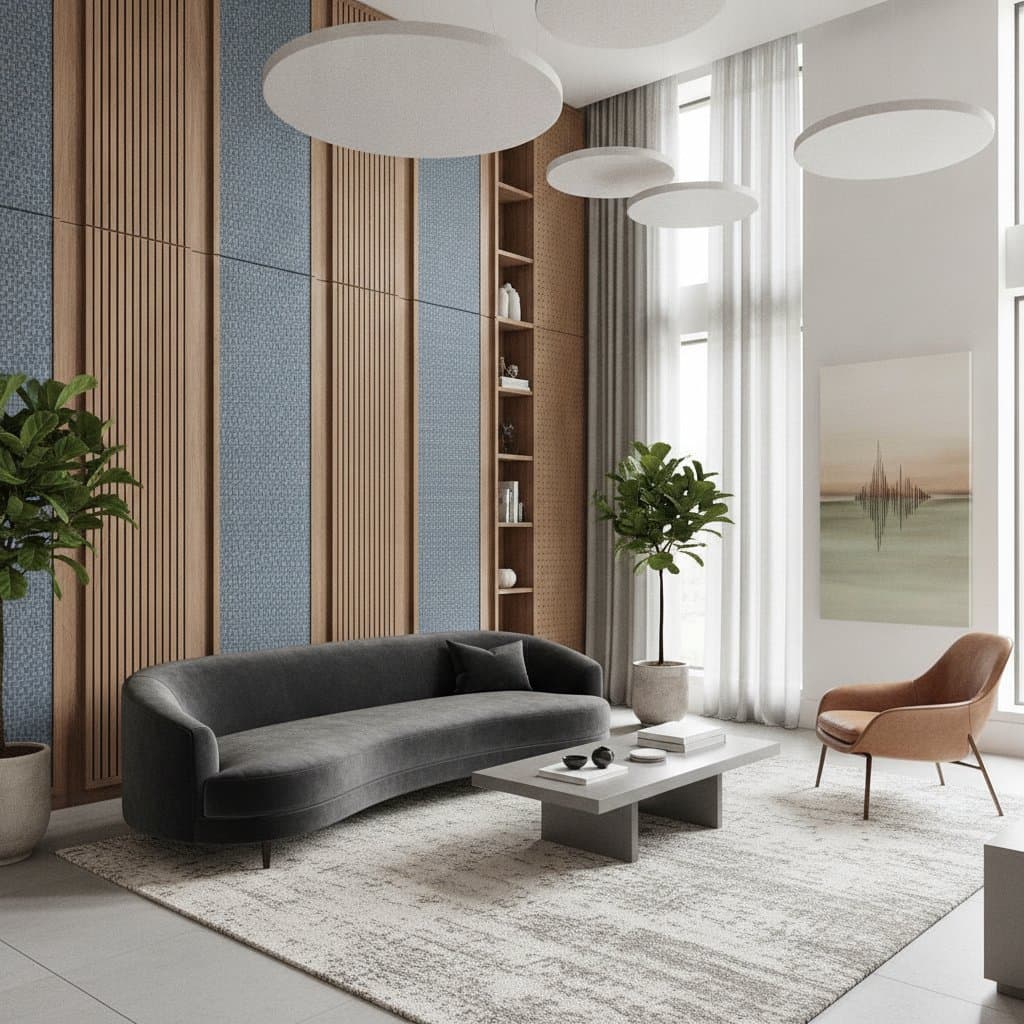
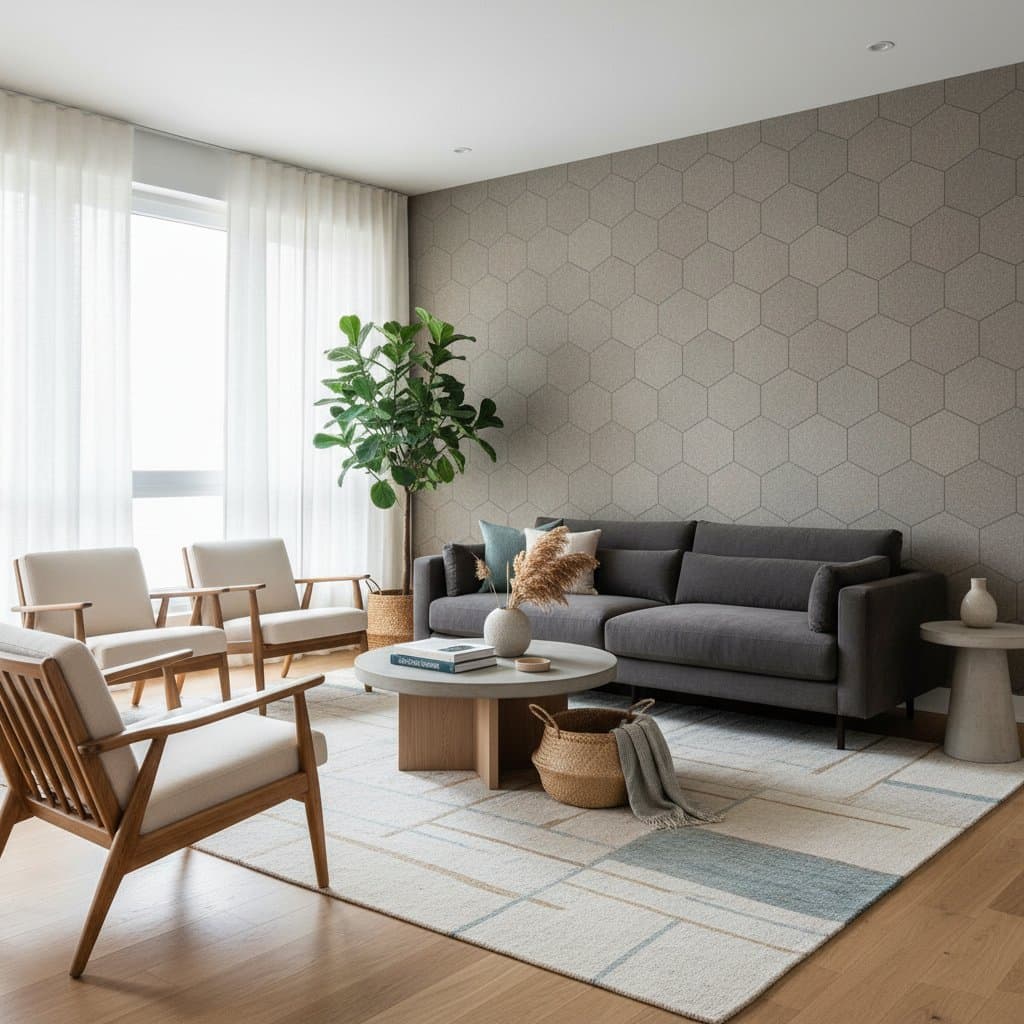
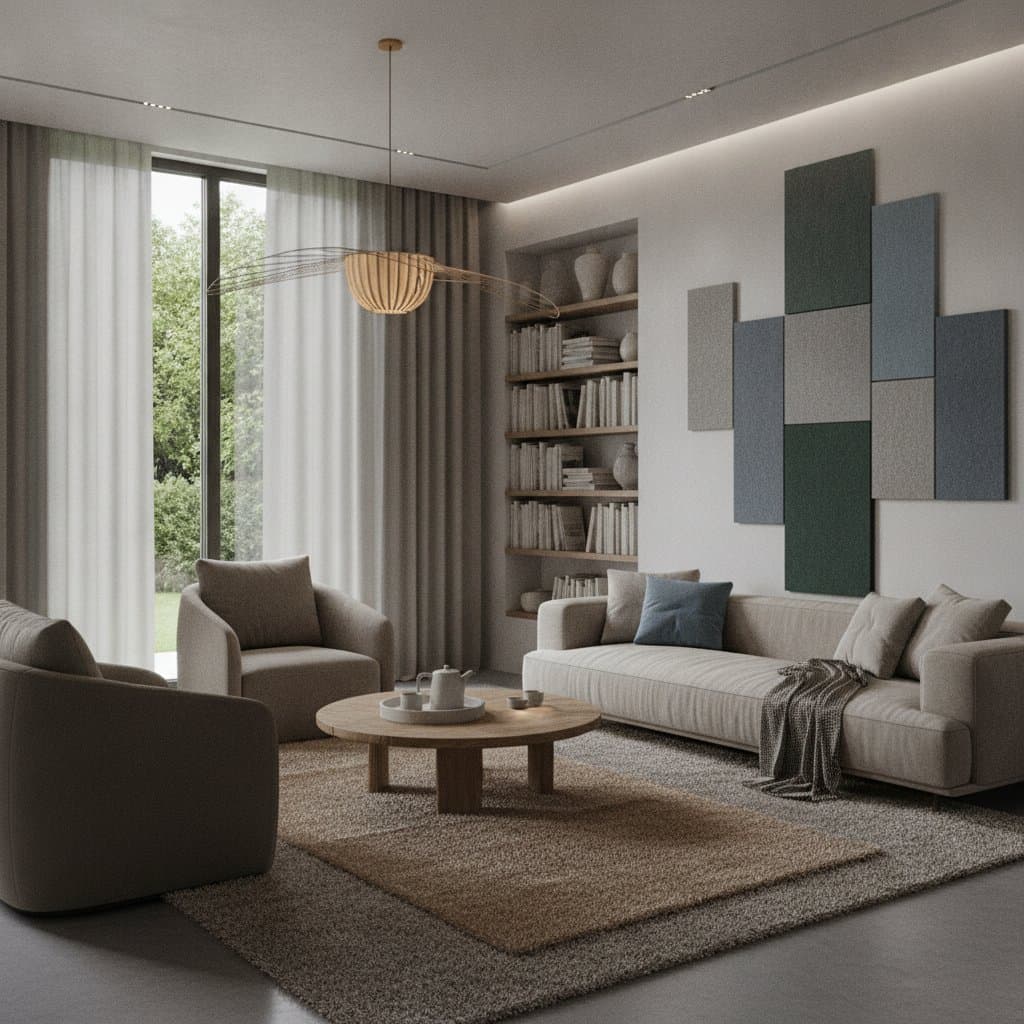
Select panels covered in woven fabric or finished with printed designs. Position them in grids above seating areas or along corridors. These units absorb mid and high frequency sounds from voices and household activity.
Layered Textiles
Place large area rugs beneath furniture groupings. Install full length curtains or fabric shades at windows. Add upholstered headboards and wall hangings to increase surface absorption. Multiple fabric layers reduce sound reflection across frequencies.
Furniture Arrangement
Position tall bookcases filled with books to break up sound paths. Arrange sofas and benches away from parallel walls. Include storage ottomans that serve as both seating and diffusion elements.
Ceiling Treatments
Install acoustic tiles or hanging baffles finished to match surrounding paint. Apply these solutions in kitchens and dining rooms where voices project upward. The treatments intercept sound traveling between floor and ceiling planes.
Upholstered Bed Walls
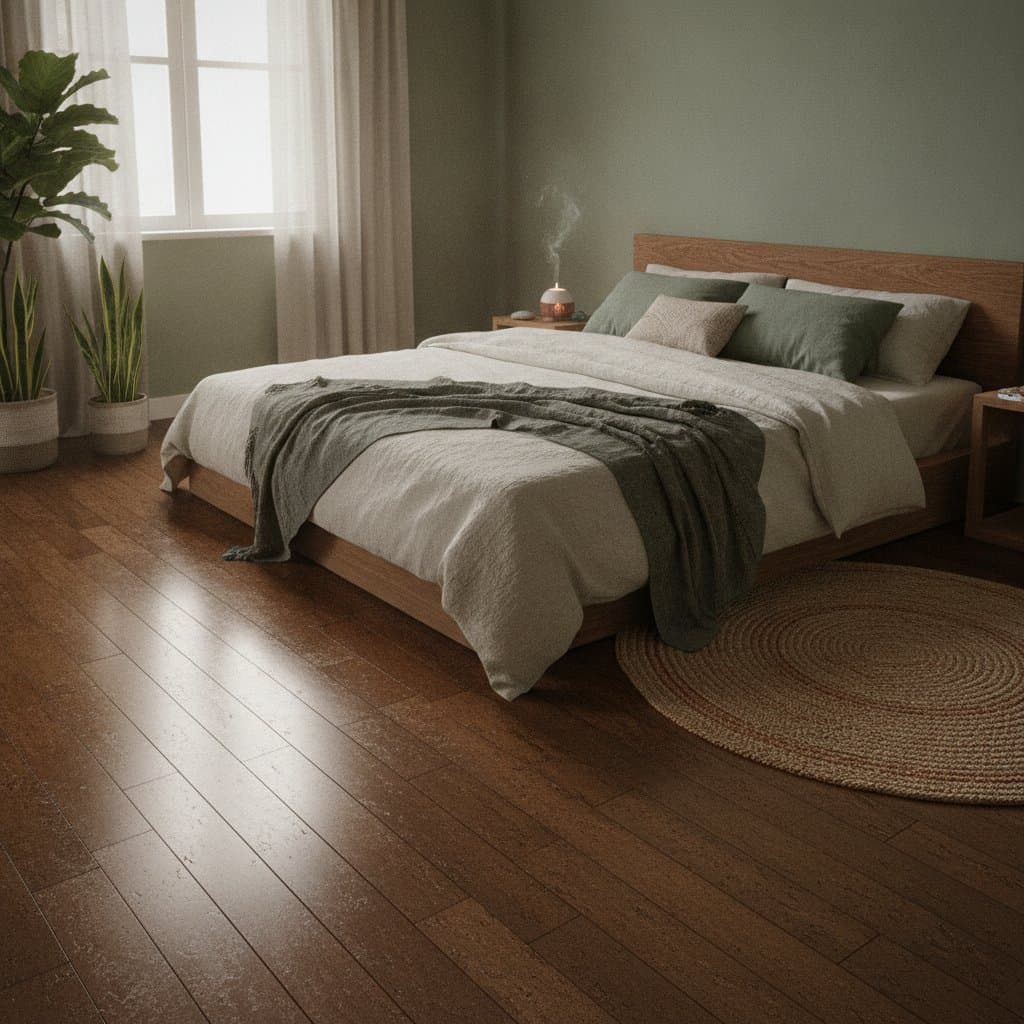
Mount padded panels behind the headboard using tufted velvet or linen. Combine with heavy drapery and fabric lampshades. This combination contains sound within the sleeping area.
Freestanding Dividers
Use felt screens or folding partitions to separate open plan zones. Choose models that incorporate shelves or planters for added function. These elements absorb sound between activity areas.
Small Scale Accents
Introduce wool pillows, felt coasters, and woven baskets throughout rooms. These items provide incremental absorption on hard surfaces such as leather seating or wood tables.
Design Integration
Match acoustic elements to existing color palettes and textures. Neutral fabrics suit minimalist schemes. Patterned or sculptural options complement bolder interiors. The result appears as a considered design choice rather than an added system.
Daily Advantages
Quieter rooms support concentration and lower stress during regular tasks. Family activities remain enjoyable without excessive volume. Conversations and media playback gain clarity. Visitors notice the composed atmosphere even when they cannot identify its source.
Care Requirements
Vacuum fabric surfaces on low suction. Rotate rugs to distribute wear evenly. Wipe ceiling elements with a damp cloth as needed. These steps preserve performance over time.
Acoustic Comfort in Practice
Residents report improved morning routines and more intimate conversations after installation. The home environment supports rest and focus through consistent sound management. Each addition contributes to an overall sense of ease that persists throughout daily use.