Why Acoustic Panels Eliminate Echo and Enhance Interior Style
Echo in a room disrupts conversations, distracts during work, and diminishes the enjoyment of media. Many spaces suffer from this issue due to hard surfaces like bare walls and floors that reflect sound waves. Acoustic panels offer a practical solution by absorbing excess noise while introducing elements of design that elevate the overall aesthetic.
These panels function as more than mere sound barriers. They integrate seamlessly into modern interiors, providing both acoustic control and visual appeal. Homeowners and office designers increasingly turn to them for creating environments that balance functionality with beauty.
Understanding Echo and Its Impact
Echo occurs when sound waves bounce off reflective surfaces without sufficient absorption. In open-plan homes or conference rooms, this leads to muddled audio and fatigue for occupants. The result often includes strained communication and reduced productivity.
Beyond discomfort, persistent echo affects mood and focus. Studies in acoustics highlight how poor sound quality contributes to stress in daily settings. Addressing this problem early prevents larger renovations and improves quality of life.
Acoustic panels target the root cause by diffusing and absorbing sound energy. Unlike traditional methods such as heavy curtains, panels provide targeted treatment without overwhelming a space. Their effectiveness stems from materials designed to trap sound waves effectively.
How Acoustic Panels Work
At their core, acoustic panels consist of porous materials that convert sound energy into heat. Common compositions include fiberglass, foam, or natural fibers wrapped in fabric. When sound hits the panel, friction within the material dissipates the waves, reducing reverberation.
Placement plays a crucial role in performance. Experts recommend positioning panels on walls opposite noise sources or ceilings in high-ceiling areas. For optimal results, cover 20 to 30 percent of the surface area in problematic rooms.
Testing the setup involves simple clap tests before and after installation. A sharp clap should produce a clear, short sound rather than a lingering ring. This approach ensures panels deliver measurable improvements in clarity.
Design Versatility for Modern Spaces
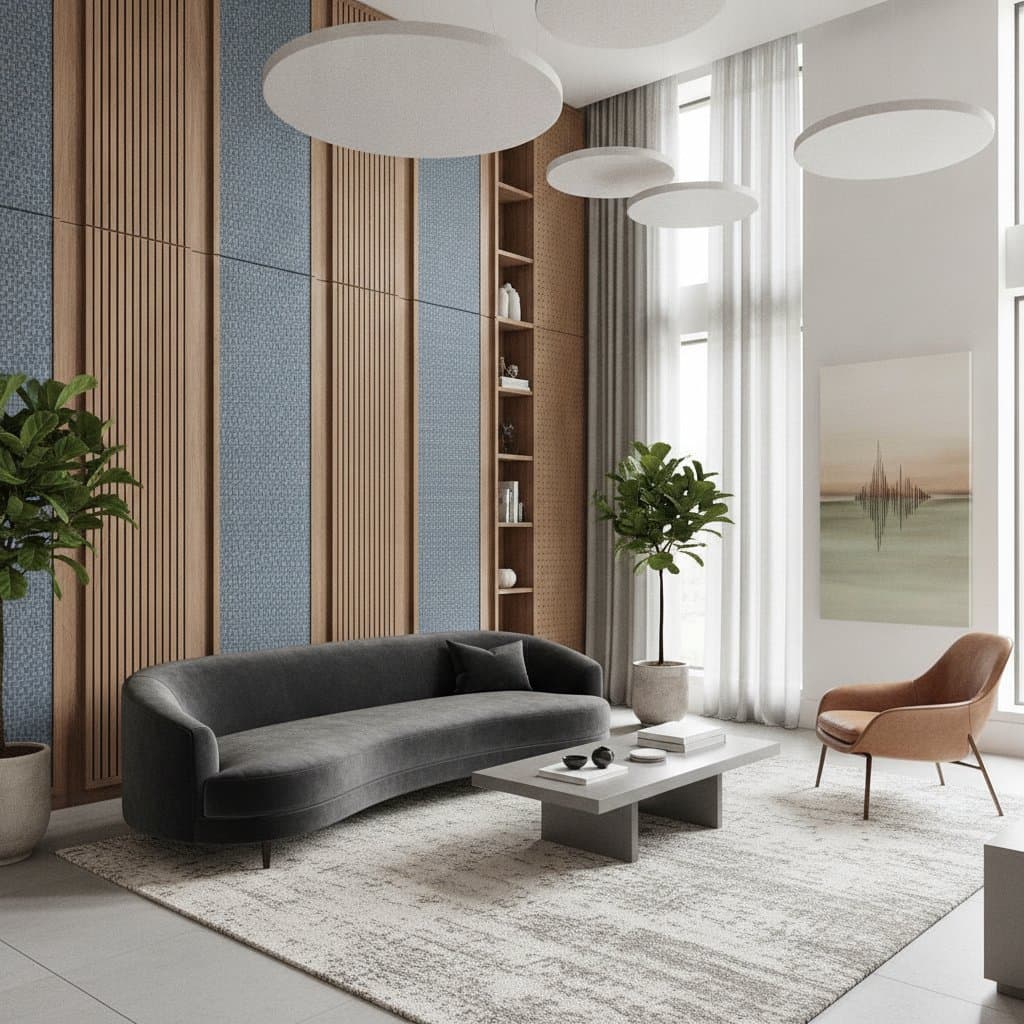
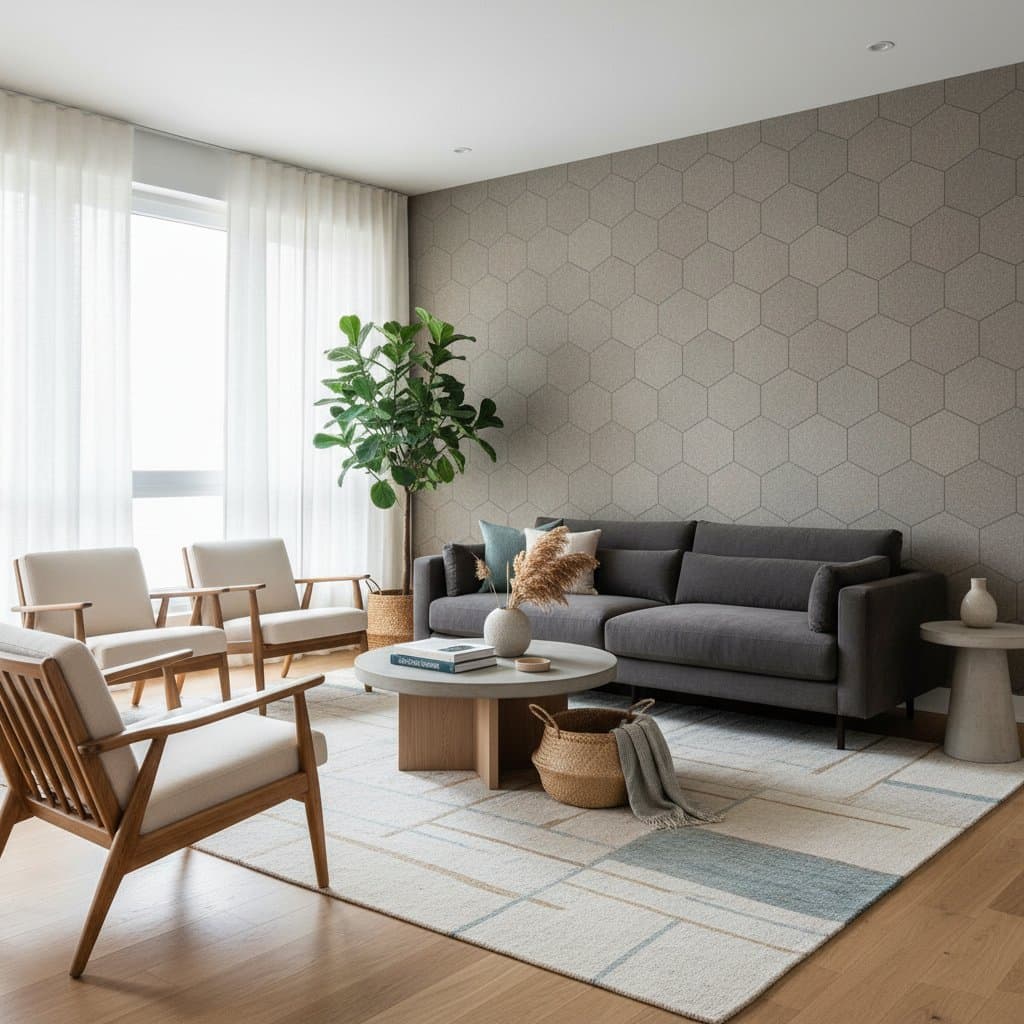
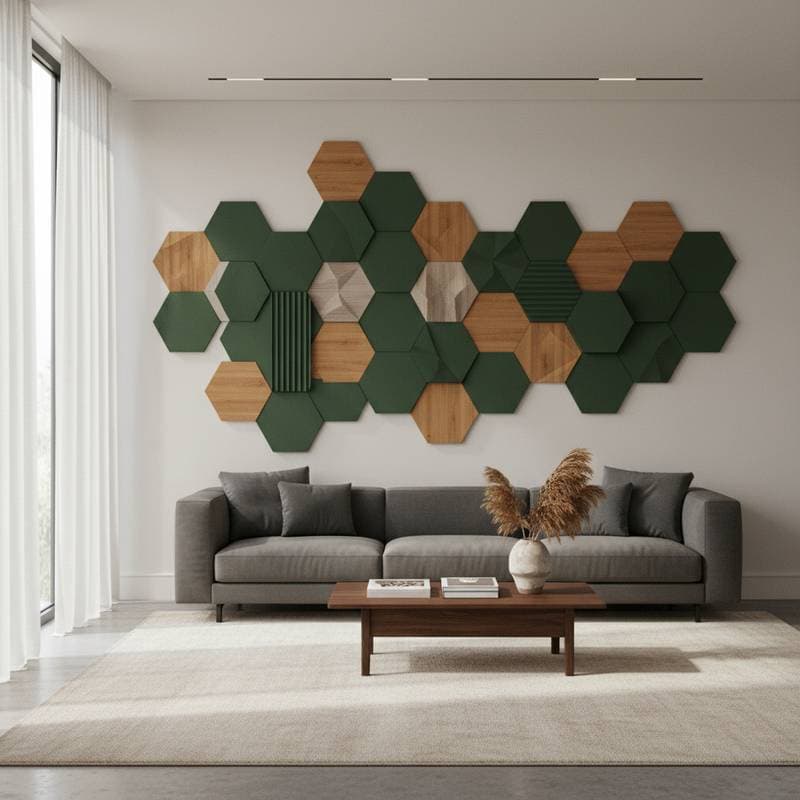
Gone are the days of utilitarian gray foam squares. Today's acoustic panels come in diverse shapes, colors, and textures to complement any decor. Geometric patterns, wood veneers, or fabric upholstery allow integration with contemporary, minimalist, or eclectic styles.
Consider custom options for unique applications. Panels shaped like art pieces or framed like pictures add focal points to living rooms. In offices, neutral tones maintain professionalism while softening acoustics.
Sustainability enhances their appeal. Many manufacturers use recycled fabrics or plant-based fillers, aligning with eco-conscious design. These choices reduce environmental impact without compromising sound absorption ratings.
Simple Installation Steps
Installing acoustic panels requires minimal tools and time. Begin by measuring the target area and selecting panels that fit standard dimensions, such as 24 by 48 inches. Self-adhesive backing simplifies attachment to walls or ceilings.
For a secure hold, use mounting brackets or impaling clips on drywall. Clean the surface first to ensure adhesion, then press panels firmly into place. In rental spaces, removable options like command strips prevent damage.
Professional assistance suits larger projects, such as auditoriums. However, DIY methods suffice for homes, often completing in an afternoon. Follow manufacturer guidelines to maintain warranty and performance.
Benefits Beyond Noise Reduction
Acoustic panels improve speech intelligibility, making virtual meetings and family discussions clearer. They also enhance audio experiences for music or home theaters by minimizing distortion. Health benefits include lower noise-induced stress levels.
Aesthetically, panels add depth and texture to flat walls. Layering them creates visual interest, similar to wall art. This dual purpose maximizes value in square footage-conscious environments.
Long-term, panels require little maintenance. Dust them periodically or vacuum gently to preserve appearance. Durable construction ensures they last years, offering cost-effective sound management.
Choosing the Right Panels for Your Needs
Evaluate room size and primary use when selecting panels. Larger spaces may need thicker options for deeper absorption, rated by Noise Reduction Coefficient (NRC) values above 0.8. Smaller areas benefit from thinner, decorative varieties.
Budget considerations range from affordable foam basics to premium custom designs. Factor in fire-rated materials for commercial settings. Samples help visualize fit within existing schemes.
Consult acoustic calculators online for precise quantities. These tools input room dimensions and suggest coverage. Testing small sections first confirms suitability before full commitment.
Creating Balanced, Inviting Environments
Acoustic panels transform challenging spaces into havens of calm and style. By tackling echo at its source, they foster better interactions and relaxation. Pair them with rugs or furniture for comprehensive sound control.
The investment yields immediate returns in comfort and elegance. Rooms feel more intimate and polished, encouraging longer stays. Embrace this approach to refine acoustics while curating a space that reflects personal taste.
Ultimately, panels empower design decisions that prioritize well-being. They bridge the gap between necessity and creativity, ensuring every corner resonates with harmony.